foods-to-avoid
Post Caesarean Diet Tips - Foods To Avoid Post Surgery
pregnancy
3.4M views


Published: 26 Sept 2022
Updated: 31 Oct 2025
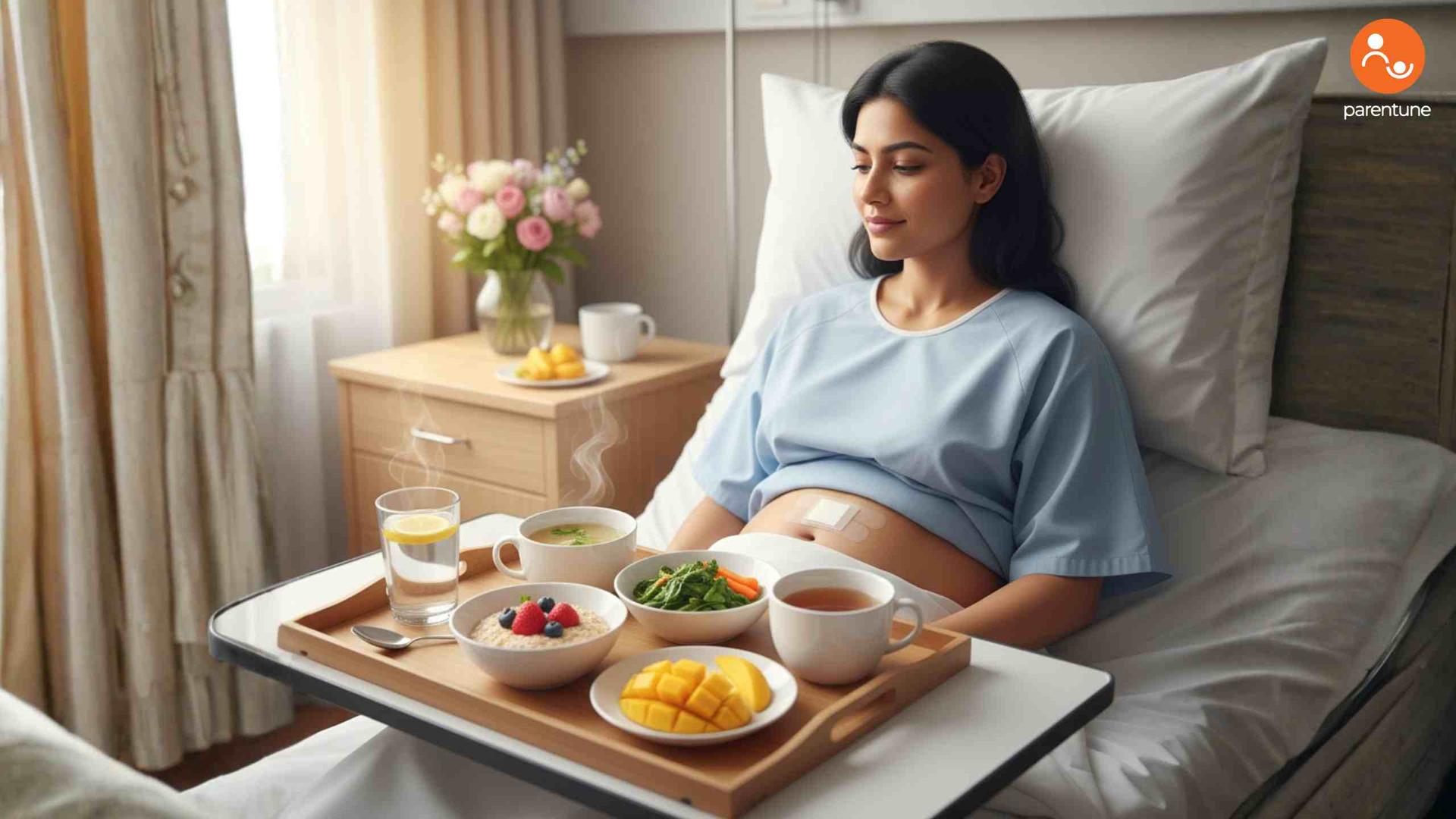
A Caesarean delivery is a major surgery which demands extra care after delivery. Nutrition plays a key role in helping the mother heal and in supporting the baby’s growth through breastfeeding.
After a C-section, your body needs the right balance of nutrients to repair tissues and produce enough milk for your newborn. The food you eat should be easy to digest and rich in energy.
Why Nutrition Matters After a C-Section
When you go through a C-section, your body experiences blood loss, physical stress, and hormonal changes. You also begin breastfeeding soon after, which increases your energy and nutrient needs.
The right food helps you:
- Heal faster from your surgical wound
- Regain strength and stamina
- Maintain healthy milk production
- Avoid digestive problems like gas and constipation
- Keep infections away and boost immunity
Tips for a Healthy Post-C-Section Diet
1. Focus on Energy-Rich Foods
Your body needs more calories than usual to heal and produce milk. But those calories should come from healthy sources and not from fried or sugary snacks.
In the first few days, start with easily digestible foods that give quick energy. Some good options are rice poha and semolina which are soft and easy on stomach.
As your digestion improves, slowly add complex carbohydrates like oats, wheat, bajra and ragi. These are rich in iron, calcium, and B-complex vitamins
2. Include Enough Protein
Protein is essential for tissue repair and recovery after surgery. It helps in the formation of new cells and improves your overall strength.
You can include:
- Pulses and lentils in the form of soups or khichdi
- Eggs, fish, or chicken. Remember not to intake too much spicy or fried.
- Cottage cheese (paneer), curd, and milk are good sources of protein and calcium
3. Don’t Forget Fiber
Constipation is very common after a C-section because of painkillers and other medicines. But straining during bowel movements can be painful and may affect the healing of your incision.
To prevent this, include fiber-rich foods like:
- Whole grains (oats, brown rice, broken wheat)
- Fruits like papaya, banana, and pear
- Vegetables like bottle gourd (lauki), spinach, and carrot
4. Add Iron-Rich Foods
After delivery, many women have low hemoglobin because of blood loss during surgery. Iron helps you rebuild red blood cells and improves your energy levels.
Iron-rich foods include:
- Egg yolk
- Green leafy vegetables like spinach and methi
- Dried fruits like dates, raisins, and currants
- Red meat (if you eat non-vegetarian food)
5. Get Enough Calcium and Vitamins
Calcium is vital for strong bones, for both you and your baby. During breastfeeding, your body passes calcium to your baby through milk, so you need to replace it regularly.
Include:
- Low-fat milk, curd, and cheese
- Ragi and sesame seeds
- Almonds and leafy greens
For vitamins, eat a variety of colorful fruits and vegetables. They are full of antioxidants that help heal wounds and strengthen immunity.
Vitamin C helps repair tissues and prevents infections.
You can get it from:
- Papaya, strawberries, and oranges
- Grapes, capsicum, and tomatoes
6. Stay Hydrated
Water is just as important as food after a C-section. It helps in milk production, prevents constipation, and flushes toxins from your body.
Drink at least 8–10 glasses of fluids daily. This can include:
- Plain water
- Soups and broths
- Milk or buttermilk
- Fresh fruit juices (not packaged ones)
Avoid tea, coffee, and carbonated drinks, as they can dehydrate you and may affect your baby through breast milk.
7. Include Healthy Fats
Fats are needed for energy, hormone balance, and absorption of fat-soluble vitamins. But they should come from healthy sources.
Use small amounts of:
- Butter, ghee, or vegetable oil
- Nuts and seeds like almonds, flaxseeds, and sesame
Avoid fried and oily foods, as they can cause bloating and slow down digestion.
Traditional Foods That Help In C-Section Recovery
Indian kitchens are full of natural remedies that support healing and lactation. Here are some that can be safely included after a C-section (with your doctor’s approval):
- Turmeric (haldi): Reduces inflammation and helps wounds heal faster. You can drink haldi milk before bed.
- Ajwain (carom seeds): Improves digestion, reduces gas, and is believed to help cleanse the uterus. You can make ajwain water or tea at home.
- Cumin (jeera): Helps with digestion and boosts milk supply.
- Ginger and garlic: Fight infection, reduce inflammation, and aid in lactation. Use them in daily cooking.
- Fenugreek (methi) and sesame seeds (til): Support milk production and provide iron and calcium.
Foods to Avoid After a C-Section
Certain foods can slow down your recovery or affect digestion and milk quality.
Fried, spicy, or heavy foods - they can cause gas and discomfort.
Caffeinated drinks, alcohol, and smoking - they can pass harmful substances to the baby through breast milk.
Packed and processed foods - they have preservatives and low nutrition value.
A Few More Tips
- Eat freshly prepared home food instead of outside or reheated meals.
- Avoid skipping meals. It can affect your milk flow.
- Rest well, as proper sleep is also part of healing.
- Always consult your doctor or a nutritionist before adding any new food or supplement.
Did you find this blog helpful?
We’d love to hear your thoughts and experiences in the comments below!
Your All-In-One Baby Toolkit
Monitor milestones, growth, and discover unique baby names easily




Be the first to support
Be the first to share