daily-tips
Deli Meats During Pregnancy: What You Need To Know
14071720102156.png&w=64&q=75)


Published: 16 Jul 2025
A truth sandwich about cravings, risks, and real-life decisions
Cold cuts meet cold facts
You’re standing in the kitchen at 11 p.m., staring at the fridge.
A turkey sandwich sounds perfect. Soft bread. Mustard. Salty, smoky meat.
But then the voice kicks in: Wait, am I allowed to eat this while pregnant?
That question has echoed across kitchens, cafes, and baby forums for decades. And it’s not just about ham or pastrami. It’s about trust.
Trusting what’s safe.
Trusting your instincts.
Trusting the system to give you straight answers.
Let’s break this down.
Why Deli Meats Spark Debate During Pregnancy
The culprit isn’t the meat itself—it’s what might be on it.
Most concerns around cold cuts come from a single, invisible threat: Listeria monocytogenes.
Listeria is a harmful bacteria found in contaminated food. And while most healthy adults recover from it with barely a blip, pregnancy changes the rules.
Expectant moms are 10 times more likely to get seriously sick from listeria. And the stakes? Higher than most risks we talk about casually.
-
It can cross the placenta
-
It can lead to miscarriage or stillbirth
-
It can cause preterm labor or severe newborn infections
That’s why health authorities—from the CDC to the Indian medical community—have issued one simple rule:
Avoid cold cuts unless they’ve been heated to steaming hot.
Also worth reading:
But Here’s What Most People Miss
It’s not about never. It’s about how.
This isn’t a blanket ban. It’s a conditional one. The risk lies in unheated deli meats. The solution? Heat them.
Yes, even your trusty chicken salami.
Microwaved until steaming.
Grilled in a sandwich press.
Fried on a pan.
If it’s steaming all the way through, you’ve neutralized most bacterial threats.
This is less about fear, more about method.
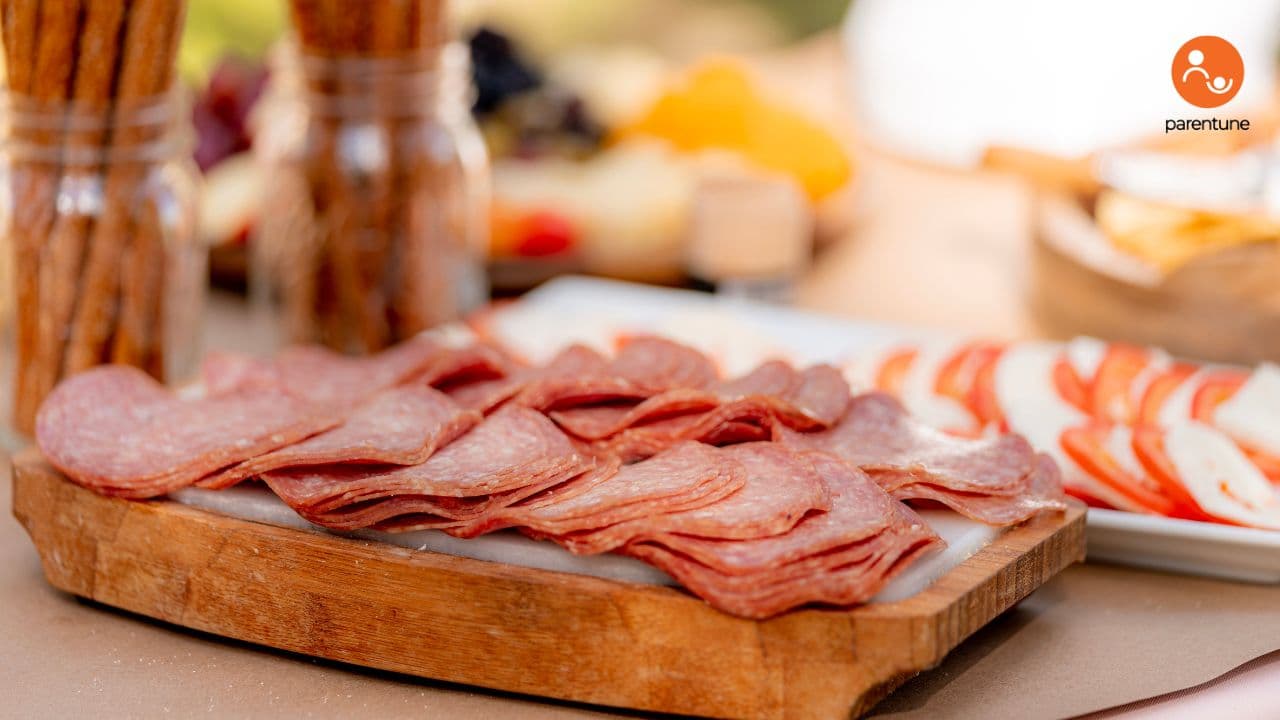
So, What Exactly Counts As Risky?
Let’s get concrete.
High-risk cold cuts include:
-
Pre-packaged ham, turkey, or salami
-
Chicken loaf or luncheon meat
-
Cold rotisserie chicken
-
Street-side meat sandwiches that haven’t been reheated
But here’s where systems thinking helps. It’s not about the meat—it’s about the handling.
The real red flags are:
-
Meat sitting at room temperature for hours
-
Sliced meats stored open in the fridge
-
Sandwiches from delis or cafes with unclear hygiene practices
The invisible system here? Temperature control. Bacteria thrive between 4°C and 60°C. That’s the “danger zone” you want to avoid.
What’s Safe? What’s Borderline? What’s Best To Skip?
Think in terms of choices, not absolutes. Here’s a framework that works:
Option 1: Best choice
-
Cook fresh meat at home. Roast chicken. Boiled egg sandwiches. Grilled tofu or paneer. These give you full control—no second-guessing.
Option 2: Safe if handled right
-
Heated deli meats. As long as it’s steaming hot, the risk is low.
But don’t just warm it—go for sizzle.
Heat neutralizes risk. Half-warm doesn’t.
Option 3: Risky and best avoided
-
Cold, pre-packaged meats eaten straight from the fridge
-
Deli meats from open counters or buffets
-
Leftovers older than 1–2 days, even if refrigerated
Recommended readings:
“But I’ve Been Eating It For Weeks And I’m Fine”
Yes. And that’s part of what makes this confusing.
Listeria is rare—but when it strikes, it can be devastating.
This is about low probability, high consequence.
Think of it like crossing a highway.
Most of the time, people make it across just fine.
But the risk isn't zero—and the cost of a bad outcome is enormous.
So the real question is:
Are you okay trading a little craving control now for peace of mind later?
Most parents say yes.
Craving Solutions: What To Eat Instead
Your body’s asking for protein, salt, and satisfaction. Let’s deliver that safely.
Try these:
-
Grilled paneer wraps with mint chutney
-
Boiled egg & cheese toasties—gooey, salty, rich
-
Shredded chicken in ghee-roasted paratha—home-cooked, high protein
-
Hummus + veggie sandwiches—add olives for salt kick
-
Stir-fried tofu or soy chaap rolls
The goal isn’t denial. It’s substitution.
Because the craving isn’t for danger—it’s for flavor.
The Bigger Principle: Pregnancy Isn’t A Restriction—It’s A Recalibration
This moment in your life is all about systems rebalancing. Hormones. Immunity. Cravings. Sleep.
So it makes sense that what you eat needs recalibration too.
Food safety becomes part of a larger pattern of intentionality.
You start reading labels. Asking questions. Making trade-offs.
And you’re not alone.
At Parentune, we hear from hundreds of expectant parents facing the same dilemma.
From the meat shelf at the supermarket to the dhaba near the office—everyone’s trying to navigate this maze with a little more clarity and a lot less anxiety.
That’s what we’re here for.
To cut through the noise.
To ask better questions.
To connect you to a community that’s lived through it—and is still figuring it out together.
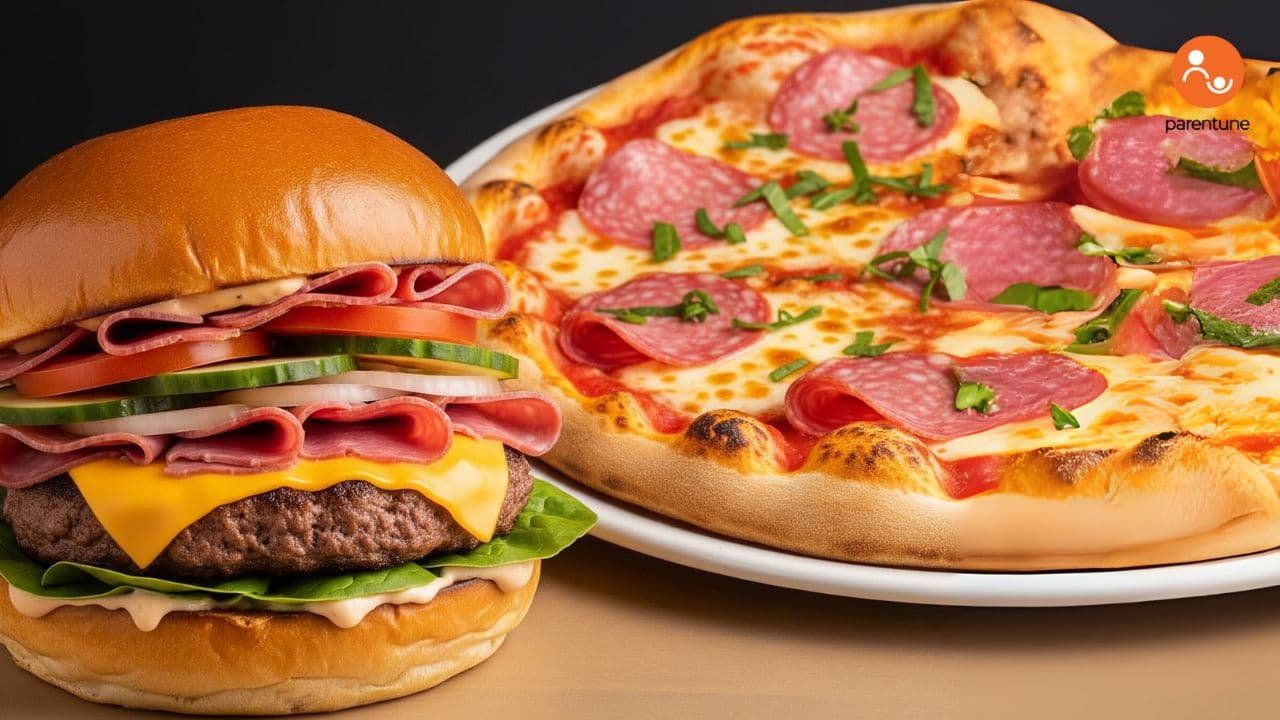
Final Thought: Heat The Meat Or Skip The Slice
There’s wisdom in systems.
And pregnancy teaches you this: small changes now lead to safer outcomes later.
So go ahead, eat the sandwich.
Just make sure it’s steaming hot.
Because in this chapter of your life, every bite counts.
And if you ever feel unsure, lean into the Parentune community—where science meets solidarity.
Let cravings guide joy, not compromise safety.
That’s not just a food rule. It’s a parenting principle.
Your All-In-One Baby Toolkit
Monitor milestones, growth, and discover unique baby names easily




Be the first to support
Be the first to share