medical
Can You Use Vicks During Pregnancy? Safety and Expert Advice
14071720102156.png&w=64&q=75)


Published: 23 Jul 2025
A familiar scent in an unfamiliar time
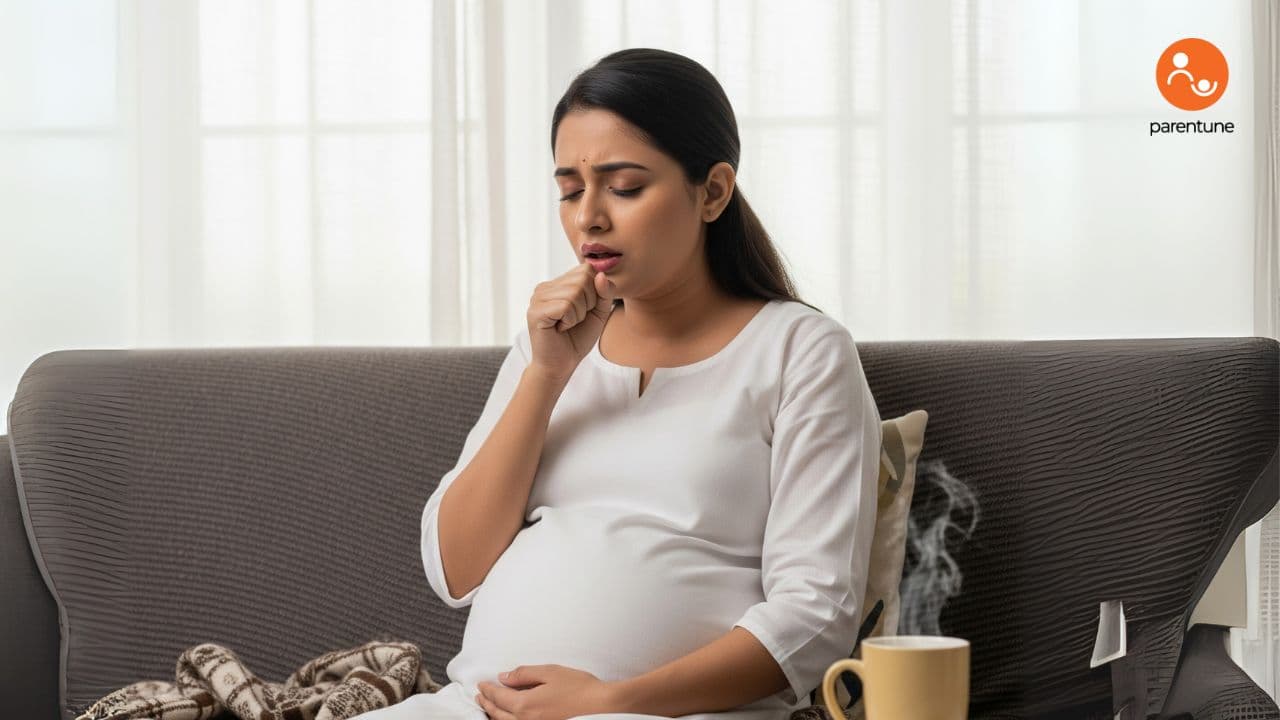
You’ve caught a cold during pregnancy.
Your nose is blocked, your throat hurts, and your old trusted friend—Vicks—is sitting right there in the cabinet.
But now, there’s a tiny heartbeat inside you.
And every choice feels weightier.
Even something as routine as applying a vapor rub becomes a question: Is it safe?
That’s where this article begins—not in a lab, but in your living room.
Tissue box nearby.
Hand hovering over the Vicks jar.
Wondering whether relief is worth the risk.
Let’s unpack that. Systematically.
Is Vicks Safe to Use During Pregnancy?
It depends on the type—and how you use it
There are two primary ways people use Vicks products:
-
Topical application – like Vicks VapoRub rubbed on the chest, neck, or back
-
Inhalation-based products – like Vicks inhalers or vaporizers
Each carries very different implications for pregnancy.
1. Vicks VapoRub: Mostly Safe, With Conditions
This is the classic—the menthol-eucalyptus rub passed down by grandmothers everywhere.
Here’s what’s in it:
-
Menthol – gives the cooling effect
-
Camphor – the muscle soother
-
Eucalyptus oil – opens airways
-
Petroleum jelly base
Most experts agree: Using VapoRub sparingly on the chest or back during pregnancy is generally safe.
But here's the hidden system beneath that conclusion:
-
Camphor in high doses is toxic—especially if ingested or applied near mucous membranes (nose, mouth, etc.)
-
Menthol and eucalyptus are essential oils—powerful, and best used in moderation
So the real rule?
Use it externally. Use it lightly. And never near the nostrils or belly.
Recommended blogs:
2. Vicks Inhalers: A Different Story
The Vicks inhaler might feel harmless—it’s small, fast, and doesn’t involve rubbing anything on your skin.
But here’s the catch:
-
It delivers menthol and camphor directly to your respiratory system
-
No clear human studies have been done on its use in pregnancy
-
Essential oils in high concentrations may cross the placenta
Most doctors lean cautious here:
Avoid inhalers during pregnancy, especially in the first trimester, when the baby's organs are forming.
What feels like a deep breath of relief could actually be an unquantified risk.
So What Can You Use Instead?
Let’s reframe the question.
Not just “Is Vicks safe?” but: “How can I relieve my cold without raising red flags during pregnancy?”
Here are your safer, expert-backed options:
-
Saline nasal sprays – non-medicated, gentle, and effective
-
Humidifiers – especially with warm steam to loosen congestion
-
Honey and lemon in warm water – natural throat soothers
-
Elevate your head while sleeping to reduce post-nasal drip
-
Plenty of fluids – water, broth, herbal teas like ginger
In short, treat the system, not just the symptom.
Your immune system’s doing double duty now. It needs support, not shortcuts.
But My Doctor Said It’s Fine…
And that’s okay.
Pregnancy isn’t a one-size-fits-all journey.
Some OB-GYNs give the green light to Vicks in moderation. Others prefer to steer completely clear of anything medicated unless absolutely necessary.
That’s why context matters more than just the product name.
Medicine is personal. Safety is situational.
So if your doctor knows your medical history and gives a green signal?
Use it—wisely, sparingly, and externally.
Real Moms, Real Choices: What the Parentune Community Says
At Parentune, moms have shared stories of dealing with pregnancy sniffles, midnight coughs, and that all-too-familiar helplessness.
Some found comfort in vapor rubs applied to the feet with socks.
Others chose steam inhalation with just plain water.
Many leaned into community suggestions that balanced safety with comfort.
What binds them all?
The desire to choose consciously.
Not out of fear—but out of respect for the process their bodies are going through.
Quick Safety Checklist: Vicks & Pregnancy
Okay to use occasionally:
-
Vicks VapoRub (on chest/back, small amounts, not daily)
Avoid during pregnancy:
-
Vicks Inhaler
-
Vicks with added aspirin/NSAIDs
-
Any ingestion of camphor or menthol-based oils
When in doubt: Ask your OB. And read the label.
A Final Thought: Relief Isn’t Just Physical
What many pregnant moms need isn’t just a decongestant.
It’s reassuring.
That they’re doing okay.
Those small decisions won’t derail the entire journey.
That they can trust their instincts—and filter advice through their own common sense.
And that’s where platforms like Parentune become more than just information hubs.
They become places of solidarity.
Because when you’re unsure whether to open the Vicks jar or not, what you really want is a voice that says:
“Here’s what works. Here’s what doesn’t. And here’s what others like you chose—and why.”
So, Does Vicks Work During Pregnancy?
Yes—and no.
It works if you know when to use it, where to apply it, and how much to rely on it.
But what works even better?
Asking smarter questions.
Listening to your body.
And choosing not just what’s effective—but what’s safe, informed, and aligned with your larger journey.
Because motherhood starts before the baby arrives.
It starts with choices like these.
Your All-In-One Baby Toolkit
Monitor milestones, growth, and discover unique baby names easily




Be the first to support
Be the first to share