tests
Is It Legal To Find Baby's Gender In India?
14071720102156.png&w=64&q=75)


Published: 04 Jul 2025
Why a question rooted in curiosity leads us to deeper truths about law, ethics, and equality.
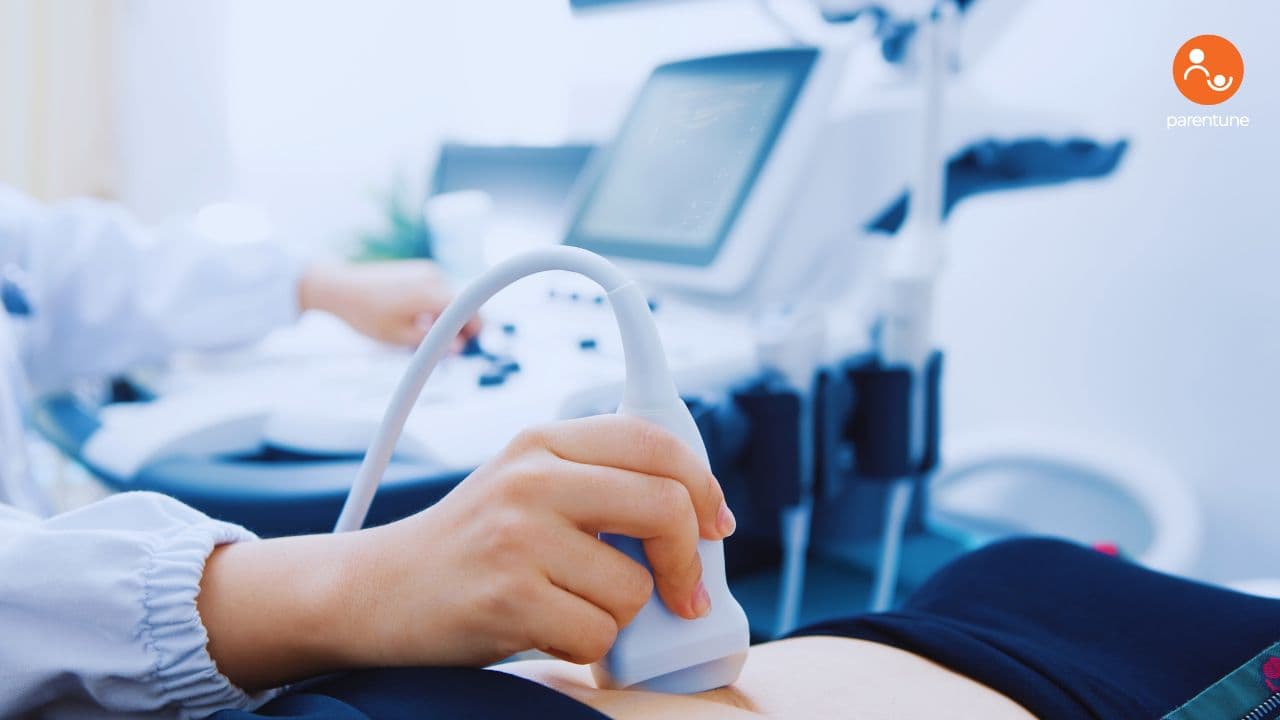
You’re sitting in the waiting room, ultrasound slip in hand.
The thought bubbles up quietly—“Boy or girl?”
It’s not greed. Not even preference, always. Just… curiosity.
But in India, asking that question out loud is more than taboo.
It’s illegal.
So let’s unpack the why behind it.
Short Answer: No, It’s Not Legal
Gender detection is prohibited in India under the law
Since 1994, India has had a strict legal framework that bans any form of prenatal sex determination. The law is called:
The Pre-Conception and Pre-Natal Diagnostic Techniques (Prohibition of Sex Selection) Act (PCPNDT Act), 1994
Here’s what it says:
-
It is illegal to use any diagnostic technique (ultrasound, blood test, etc.) to detect the sex of a fetus.
-
Doctors cannot disclose the baby's gender—even if you ask.
-
Parents cannot demand or attempt to find out—even through indirect means.
Anyone who violates this law can be imprisoned, fined, and face suspension of their medical license.
You may also like to read:
Why Is This Law So Strict?
Because it was primarily created to put an end to a shameful practice that was rampant in the past.
India had a long history of sex-selective abortions, driven by cultural biases that favoured boys over girls.
The consequences were devastating.
-
In some states, the child sex ratio dropped below 900 girls per 1000 boys.
-
Entire villages reported fewer daughters than sons.
-
Over time, this gender imbalance led to social evils like forced marriages, gender-based violence and child trafficking.
The law wasn’t just created for legal protection, it was created for social correction.
Today, this law stands for the dignity and equality of every child, irrespective of their gender.
But What If I’m Just Curious?
Here’s where it gets tricky.
Intent doesn’t matter. Outcome does.
Even if your intentions are pure, maybe you're shopping for clothes or planning a nursery - legally, the act of finding out is still not allowed.
Because the law is designed to be preventive, not reactive.
It can’t read minds. It reads actions.
What About Gender Reveal Parties I See Online?
That’s a good question. And a revealing one—pun intended.
Those Instagrammable balloon-popping, cake-cutting parties you see?
Most are from countries like the US, Canada, or Australia - where gender detection is legal after a certain stage in pregnancy.
In India, holding a gender reveal party based on prenatal testing would itself violate the law.
Some families still do “gender-neutral” celebrations for fun, but these are symbolic—not based on any medical confirmation.

What About Finding Out In Another Country?
Some Indian families living abroad do find out the gender—legally, based on that country’s laws.
But here’s the catch.
If an Indian citizen or couple travels overseas just to find out the baby's gender and return, they can still fall afoul of Indian law under certain interpretations, especially if it leads to abortion or discrimination.
In short: Legality doesn’t travel with your passport. Ethics don’t either.
Can A Blood Test Reveal Gender?
Yes, technically. Non-invasive prenatal testing (NIPT) can determine fetal sex through a simple blood test.
But again under Indian law, this information must not be disclosed, even if the lab has the technology.
So while the science exists, its use is restricted by law and enforced through strict licensing and reporting frameworks under the PCPNDT Act.
Are There Any Exceptions To The Rule?
Only one: medical necessity.
In extremely rare cases, if a fetus is suspected of having a sex-linked genetic disorder (like hemophilia or Duchenne muscular dystrophy, which mostly affect males), doctors may be allowed to determine gender but even then, it requires approval through legal and medical channels.
And even then, the focus is treatment, not disclosure.
What Happens If Someone Breaks The Law?
Here’s how serious the law is:
-
First-time offenders can face up to 3 years in prison and a fine of ₹10,000
-
Repeat offences can attract up to 5 years in prison and a fine of ₹50,000
-
Medical licenses can be suspended or canceled
-
Clinics are routinely monitored and audited for compliance
The government even mandates that “sex determination is a punishable offence” be displayed in ultrasound clinics prominently.
So this isn’t a slap-on-the-wrist situation. It’s legally and morally weighty.
Why This Isn’t Just A Legal Issue - It’s A Parenting One
Knowing your child’s gender doesn’t make you a better parent.
Accepting your child unconditionally does.
At Parentune, we often hear this from expectant moms:
“I didn’t know whether it was a boy or a girl, but I already loved them like they were the center of my universe.”
That’s not just sentiment. It’s wisdom.
Because parenting doesn’t begin at the ultrasound screen.
It begins the moment you choose presence over preference.
So What Can You Do Instead Of Finding Out the Gender?
Here are 3 things that serve you better than curiosity:
-
Focus on your baby’s health, not gender
Regular scans, good nutrition, and emotional well-being matter far more. -
Build a gender-neutral environment
Choose clothes, toys, and names that welcome any child with love. -
Educate others in your circle
Sometimes it’s the grandparents or extended family who ask.
Use the law and empathy to explain why it matters to wait.
Also read:
What This Teaches Us About Systems And Ourselves
This isn’t just about a rule in a rulebook.
It’s a reflection of how society learns to value each life equally.
The ban on gender detection is not a restriction.
It’s a restoration of balance, of fairness, of dignity.
And yes, it may frustrate our curiosity.
But it also nudges us toward becoming better parents before our children are even born.
When In Doubt, Choose Self Restraint
It is natural to be curious. But in this case, restraint is wisdom.
The law exists to protect the unborn from a world that hasn’t been kind to them.
So the next time someone asks “Boy or girl?”, tell them this:
“We’re just hoping for a healthy baby and are ready to love them the same.”
About Parentune
Parentune is a trusted community for parents who want more than just information—they want guidance with heart. With 24x7 expert support, verified content and a robust parent network personalized support, Parentune is where modern Indian parents find answers to their queries, support from fellow parents, and constant support.
Whether it’s your first trimester or your child’s first school admission - you’ll never have to parent alone.
Explore more at Parentune.com
Your All-In-One Baby Toolkit
Monitor milestones, growth, and discover unique baby names easily




Be the first to support
Be the first to share