pregnancy-by-week
What Causes Swollen Feet In Pregnancy (And What You Can Do)
14071720102156.png&w=64&q=75)


Published: 04 Aug 2025
It often starts as a gentle puff. Then one day, your shoes won’t fit.
You glance down, and your feet feel like they belong to someone else. Bigger. Rounder. Unfamiliar.
Swollen feet in pregnancy aren’t just annoying—they’re a signal. A message from your body that something beneath the surface is shifting. And like most things in pregnancy, it’s not just one thing causing it. It’s a system.
Let’s unpack what’s really going on—and what helps.
Why Do Feet Swell During Pregnancy? Because Your Whole Body Is Expanding Its Reach.
Pregnancy is an architectural project.
Your body builds new pathways—extra blood volume, relaxed vessels, fluid shifts—all to support a new life. But every adjustment has a tradeoff.
Swelling (also called edema) is one of those tradeoffs. Most noticeable in your feet and ankles. Most common in the third trimester. Often worse in the evenings or after standing for long hours.
Here’s why:
1. Blood Volume Increases Dramatically
By the third trimester, you have up to 50% more blood in your system. That’s not just more fluid—it’s more pressure.
Veins in the lower body work against gravity to return this fluid to the heart. But in pregnancy, that return trip gets harder. Blood pools. Fluid leaks into nearby tissue. Your feet puff up.
2. The Uterus Presses On Major Veins
As your baby grows, the uterus presses against the inferior vena cava—a large vein that returns blood from your legs to your heart. Like stepping on a hose, this slows down blood flow. Cue the swelling.
3. Hormones loosen everything—including blood vessels
Progesterone and relaxin help your body soften and stretch. Great for delivery. Less great for veins.
Blood vessels become more elastic, which can let fluid seep out into surrounding tissue. Feet, ankles, and even fingers swell in response.
Recommended reads:
So What’s Normal—And What’s Not?
Not all swelling is created equal.
Normal swelling:
-
Gradual throughout the day
-
Worse after standing
-
Eases with rest or elevation
-
Affects both feet equally
Concerning swelling:
-
Sudden or severe
-
One-sided
-
Accompanied by headache, visual changes, or high blood pressure
These symptoms can be signs of pre-eclampsia, a serious condition that needs immediate attention.
???? If in doubt, consult your doctor. Trust your gut—it knows when something’s off.
What Actually Helps Reduce Swelling? Let’s Get Specific.
You don’t need 17 hacks. You need a system.
Here are five grounded, doctor-backed strategies that actually make a difference:
1. Elevate your feet—at the right times
Prop them up when sitting. Ideally above heart level. Gravity becomes your friend again, helping fluid return upward.
Even 15-minute breaks during the day can improve circulation.
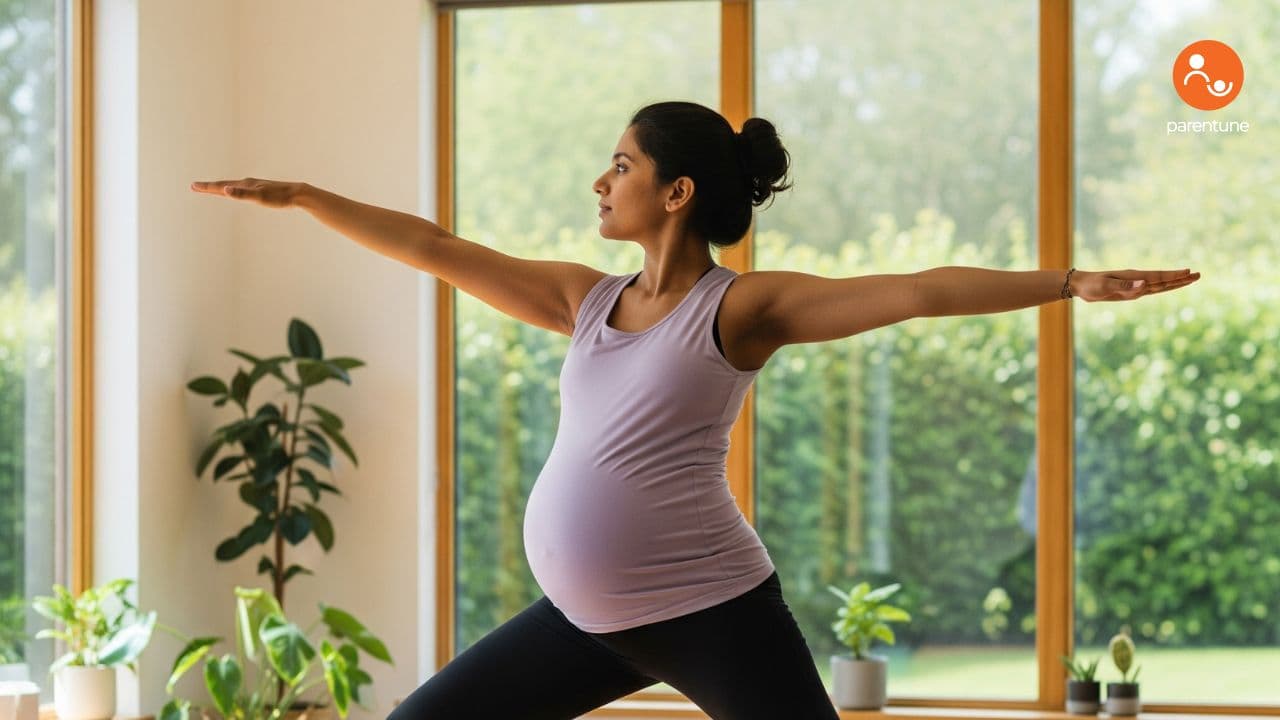
2. Stay active—but strategically
Gentle movement keeps blood flowing.
Try:
-
Prenatal yoga
-
Swimming (the water pressure helps too)
-
Walking in intervals
Still standing for work? Rock from heel to toe or do mini calf raises. Small moves. Big gains.
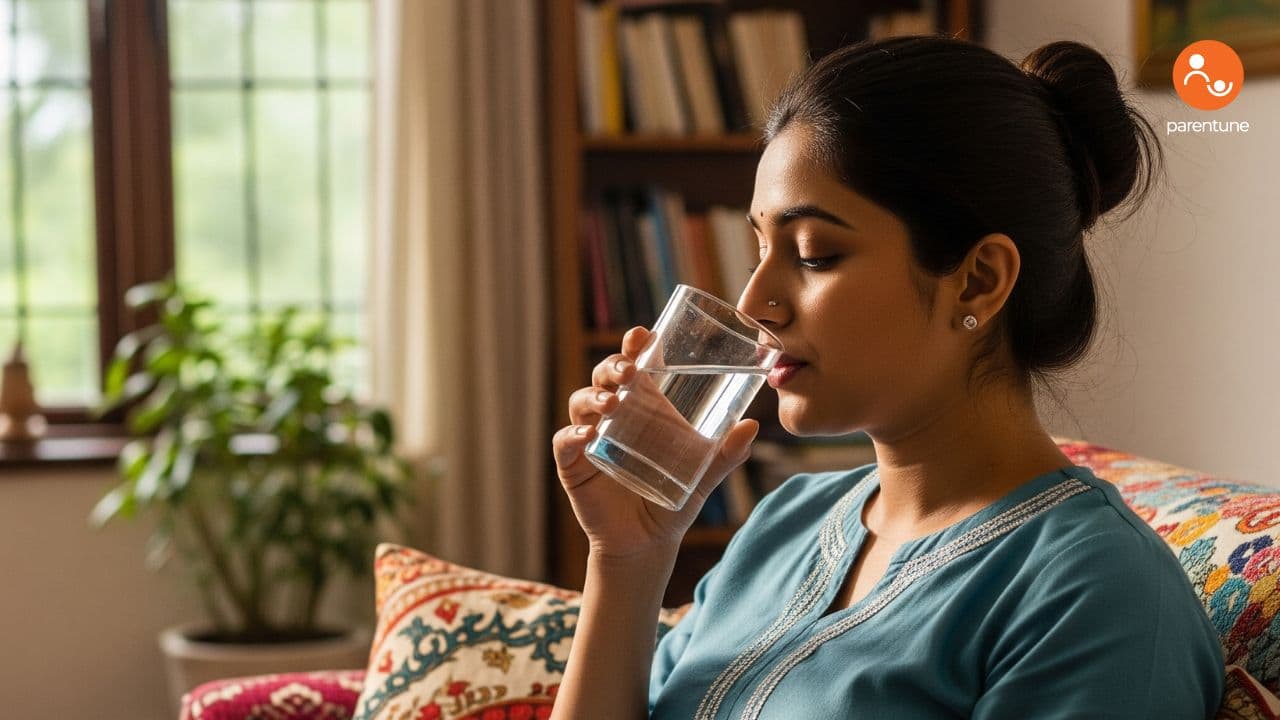
3. Hydrate more—not less
It sounds counterintuitive, but drinking more water reduces water retention.
Dehydration makes the body cling to fluid. Staying well-hydrated encourages the kidneys to flush out excess sodium and water.
Aim for 8–10 glasses a day, more if you’re active.
4. Watch the salt—but don’t eliminate it
Your body needs sodium. But too much can worsen swelling.
Don’t chase zero-salt diets. Instead:
-
Avoid processed foods
-
Add fresh herbs or lemon juice for flavor
-
Cook at home when possible
Think balance, not bans.
5. Compression socks can work wonders
Especially if you're on your feet a lot or have a long commute.
These aren’t your grandma’s support hose. Modern compression socks are breathable, subtle, and effective at improving blood flow.
Choose graduated compression (strongest at the ankle, lighter as it moves up). Wear during the day. Remove at night.
When Does It Go Away?
For most, swelling peaks in the final weeks of pregnancy and fades within a week or two postpartum.
But here’s the kicker: it often gets worse in the first few days after birth.
That’s because your body starts flushing out all the excess fluid. More peeing. More sweating. More puffiness—briefly. This is normal.
By week 2 postpartum, most swelling should resolve. If it doesn’t, or if one leg is significantly more swollen than the other, get it checked.
The Deeper Truth: Swelling Isn’t Just Physical—It’s Emotional Too
It’s not just about feet. It’s about feeling weighed down. Slowed. Uncomfortable in your own skin.
And here’s the part we don’t talk about enough:
Pregnancy changes how you move through the world. Literally and figuratively.
That’s why platforms like Parentune exist. To give space for real conversations—not just symptoms. To remind moms-to-be that they’re not alone in what they’re feeling.
We see you. Swollen feet and all.
You may also like:
Quick Recap: What Causes Swollen Feet In Pregnancy?
-
Increased blood volume
-
Pressure on veins from the uterus
-
Hormonal changes that affect blood vessels
-
Lifestyle factors like standing, heat, and dehydration
What Helps Most?
-
Elevating your feet regularly
-
Moving in short, strategic bursts
-
Staying well-hydrated
-
Reducing excess sodium
-
Wearing compression socks if needed
Final Thought: Swelling Is A Signal, Not A Failure
Your body is doing a big job. And sometimes, that shows up as puffy ankles.
But beneath that discomfort is something profound: you’re building a life. And your body is adapting in ways seen and unseen.
So wear the bigger shoes. Put your feet up. And know this—
You’re not doing it wrong. You’re doing it exactly right.
And if you're ever unsure, uncertain, or just need a place to be real—Parentune is here for that. Because solidarity starts with shared stories. And healing starts with feeling seen.
Your All-In-One Baby Toolkit
Monitor milestones, growth, and discover unique baby names easily


Be the first to support
Be the first to share