social-&-emotional
5 Things You Must Never Ever Say To Your Child – Nakul Mehta & Jankee Parekh Talk About Everyday Parenting Language
14071720102156.png&w=64&q=75)


Published: 23 Mar 2026
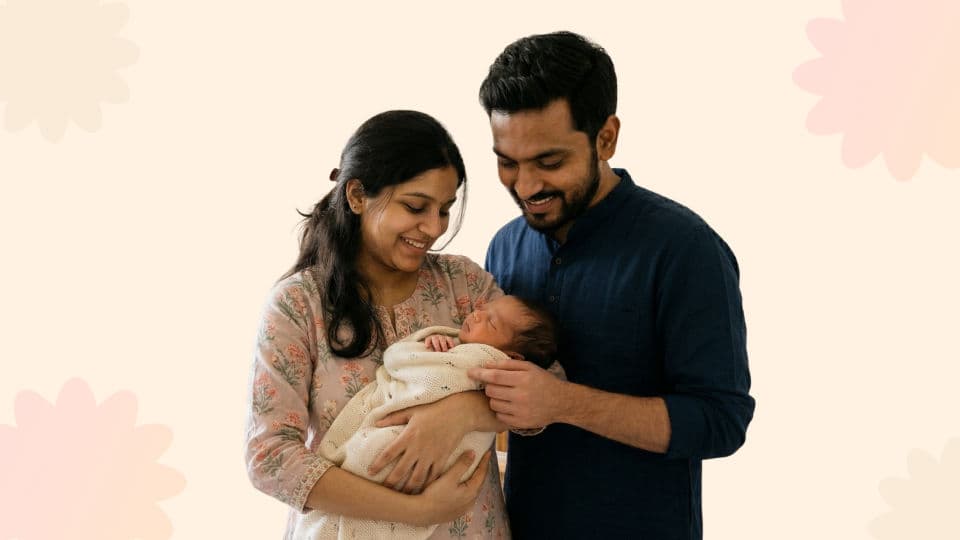
We may not always see it, but words said casually, or as a joke, can have a long-lasting impact on a child, and it may, to a great extent, shape how they perceive certain things. Especially if the person saying those things is their parent. You don’t just need to be careful with your actions but also with your words because they can leave the deepest scars. This is exactly what Nakul Mehta and his wife Jankee Parekh highlighted in their recent podcast — The Indian Parent Pod.
“Boys Don’t Cry”
“Boys don’t cry.” This is a very commonly used phrase that is used to encourage toughness; however, what it is actually encouraging is suppression. It teaches little boys to hide their emotions and feelings as they start believing that crying makes them look weak and that vulnerability is something to hide.
“You are teaching boys that expressing emotions is a weakness. I think crying is such a beautiful, natural, and healthy way to process emotions. When we are telling a child to repress his emotions, what we are actually doing is bringing up a child with a lack of emotional intelligence.” Jankee
Instead, you can try to be in a safe place, so that they never hesitate to let out what they are feeling. Try to talk to them and let them vent out their feelings without the fear of being judged.
Playful Body Shaming
Using teasing nicknames or playful remarks about a child’s appearance may seem harmless, but repeated use of these can result in a lifelong impact. It can create self-consciousness as your words become the mirror through which they see themselves. Avoid teasing nicknames, shaming around clothes/appearance, comparing with other children, negatively labeling personality, using guilt-based language, and public shaming.
“The shame we attach to our bodies is the sole reason that we feel so inhibited. When you grow into different shapes and sizes, you never feel confident in who you are.” Nakul Mehta
Instead, choose words that complement their effort, kindness, curiosity, and courage, as these help to build confidence.
Linking Love To Rewards
“First, give me a hug, and then I’ll get you a chocolate.” "Give me a kiss, and I’ll take you out in the park.” You may find these lines cute, even loving, but we often overlook the broader impact. When we make children feel that they are going to get rewarded for showing love, they think of it as a means to get what they want, and this eventually leads to the fading of boundaries. Love and affection should not feel like a transactional or bargaining tool.
“It’s like your child feels obligated that I have to show this person affection if I want something in exchange,” Jankee.
You can rather say “ I love it when you hug me” or “When you kiss me, it makes me so happy.”
Labeling Behaviour
Tying labels to behaviour may seem like an easy way to encourage good behaviour, but what many parents don’t realize is that this can gradually create pressure to please. For instance, “Good boys/girls don’t do that” or “Don’t be a bad boy/girl”. Instead of motivating your little one to do good, you are unknowingly pressurizing them because they only feel valued for how well they comply with our standards of good and bad.
“People usually equate good behaviour with obedience or meeting the adult’s expectations. I think what the kids really need to know is that being good is not being perfect. Being good is being kind and respectful and true to yourself.” Jankee
Instead of generic labels, you can say, “I am so proud of what you did.”
Forcing To Share Things
We often say sharing is caring, but that is only when one does it willingly. Forcing your little ones to share their favourite belongings may seem like an act of kindness, but making them do it before they are emotionally ready may make them feel like they are losing control. If you pressurize your child to share, it can lead to frustration, withdrawal, or possessiveness rather than generosity.
“I feel not sharing is a great milestone because children feel ownership over their things. I feel like forcing them to share without really understanding their perspective. You are really teaching that their feelings and their boundaries don’t matter.” Jankee
Read more trending blogs:
Your All-In-One Baby Toolkit
Monitor milestones, growth, and discover unique baby names easily



Be the first to support
Be the first to share