nutritious-foods
Dealing With Nutritional Deficiencies In Pregnancy
pregnancy
4.3M views


Medically reviewed by: Puja Vashisht
Published: 27 Jul 2022

Only For Pro
During pregnancy, the foetus requires a host of nutrients for the growth. These nutrients obviously come from the mother’s diet and what she is eating, leaving her exposed, in some cases, to nutritional deficiencies. Read on to find out what the most common nutritional deficiencies are, what impact they have on the foetus, and how to overcome them.
Common Nutritional Deficiencies During Pregnancy
Here are some common nutritional deficiencies that women can have during pregnancy and how to deal with them.
How to deal with it:
-
Iron deficiency:
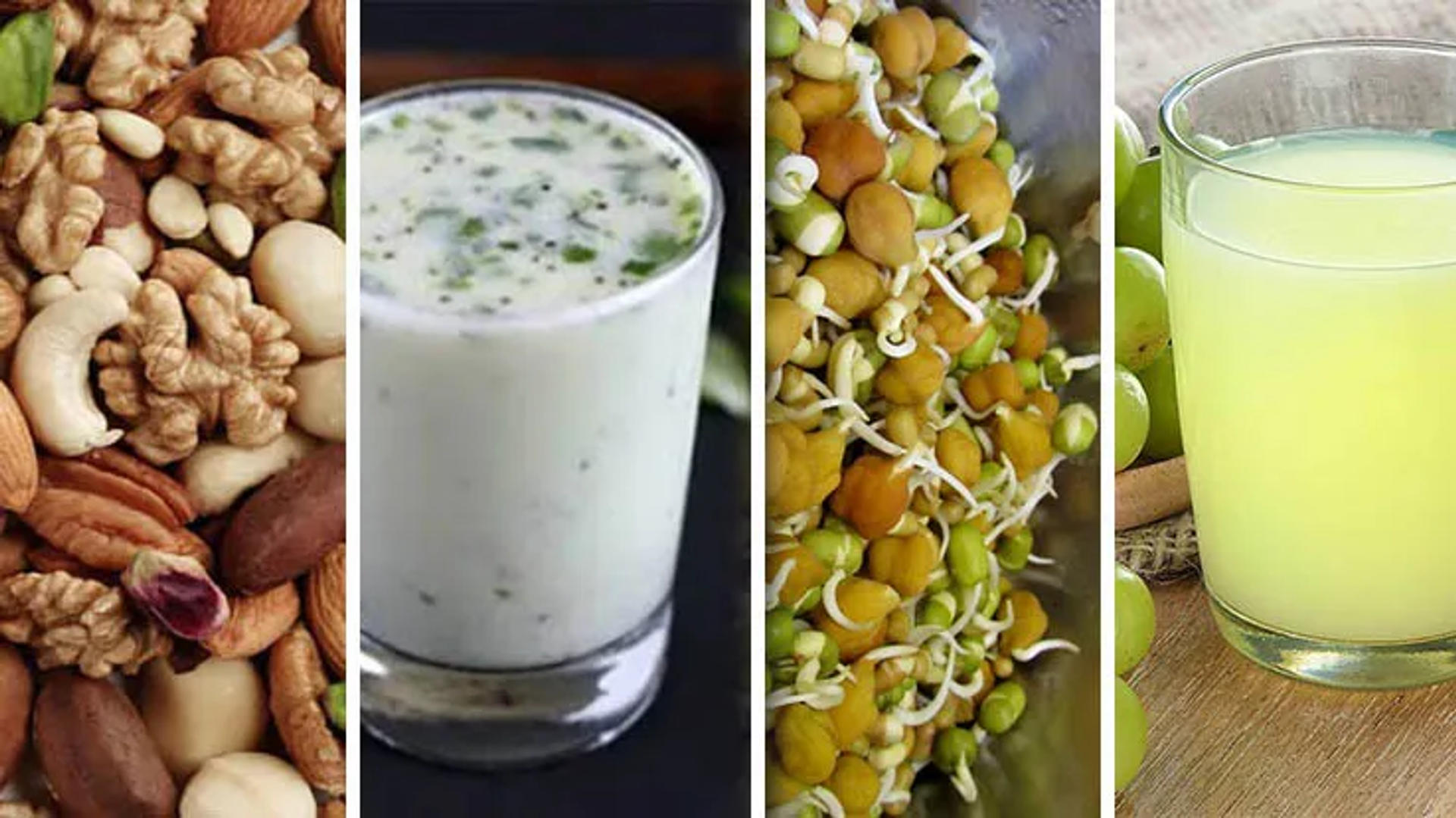
The most common deficiency during pregnancy can be low levels of hemoglobin. This happens because the blood volume increases to support the fetal growth. Deficiency in iron can result in the expecting mother being anemic- Add dark green leafy vegetables, especially methi, chulai (amaranth), mustard greens, bathua, to your chapatti dough, or to raitas and soups. Their stock can also be used to cook rice, pasta and dals
- Take whole beans, legumes such as lobia, black chana, and soybean at least once a day. You may sprout and boil them to make a salad, or add their flour to your wheat dough or simply to the curries
- Dates and raisins are a great option for the frequent hunger pangs of pregnancy. If you have non vegetarian habits, then do include some flesh foods like mutton/poultry/fish in your diet
- A word for vegetaria
Your All-In-One Baby Toolkit
Monitor milestones, growth, and discover unique baby names easily




Be the first to support
Be the first to share
Share it