medical
Subchorionic Hemorrhage In Early Pregnancy: What Every Mom Should Know
14071720102156.png&w=64&q=75)


Published: 15 Jul 2025
The quiet complication more common than you think
It usually starts with a scare.
You're a few weeks into pregnancy. You notice spotting—or bleeding.
And suddenly, every thought spirals.
Is the baby okay? Is this a miscarriage? Should I rush to the ER?
For many expecting mothers, this moment leads to a diagnosis that sounds scarier than it often is: subchorionic hemorrhage (SCH).
Let’s break down what it actually means—and why it’s not always a cause for panic.
What Is A Subchorionic Hemorrhage, Really?
It’s not your fault.
And you didn’t “do” anything to cause it.
A subchorionic hemorrhage happens when a small blood vessel between the uterine wall and the chorion (the outer fetal membrane) bursts. Blood collects between the chorion and the uterus—this is the hemorrhage part.
In plain speak: it’s internal bleeding around the baby’s “sac,” not inside the baby or the womb itself.
Most often, it resolves on its own.
Also worth reading:
How Common Is It? More Than You Might Think
Subchorionic hemorrhage occurs in about 1 in 4 pregnancies—especially in the first trimester.
It’s one of the most common causes of first-trimester bleeding. But here’s the twist: many women never even know they had one. It’s often picked up during routine ultrasounds.
And when does it come with symptoms?
It tends to be light bleeding, spotting, or brownish discharge.
The First Sign? Bleeding That Feels Like a Red Flag
What it often looks like:
-
Pink, red, or brown spotting
-
Mild cramping (not sharp pain)
-
Sometimes, a small gush of blood
But here’s the challenge—those are also symptoms of other pregnancy issues, including miscarriage. So understandably, most moms-to-be panic.
And that’s exactly why getting an ultrasound is crucial.
What Does An Ultrasound Show? And Why It Matters
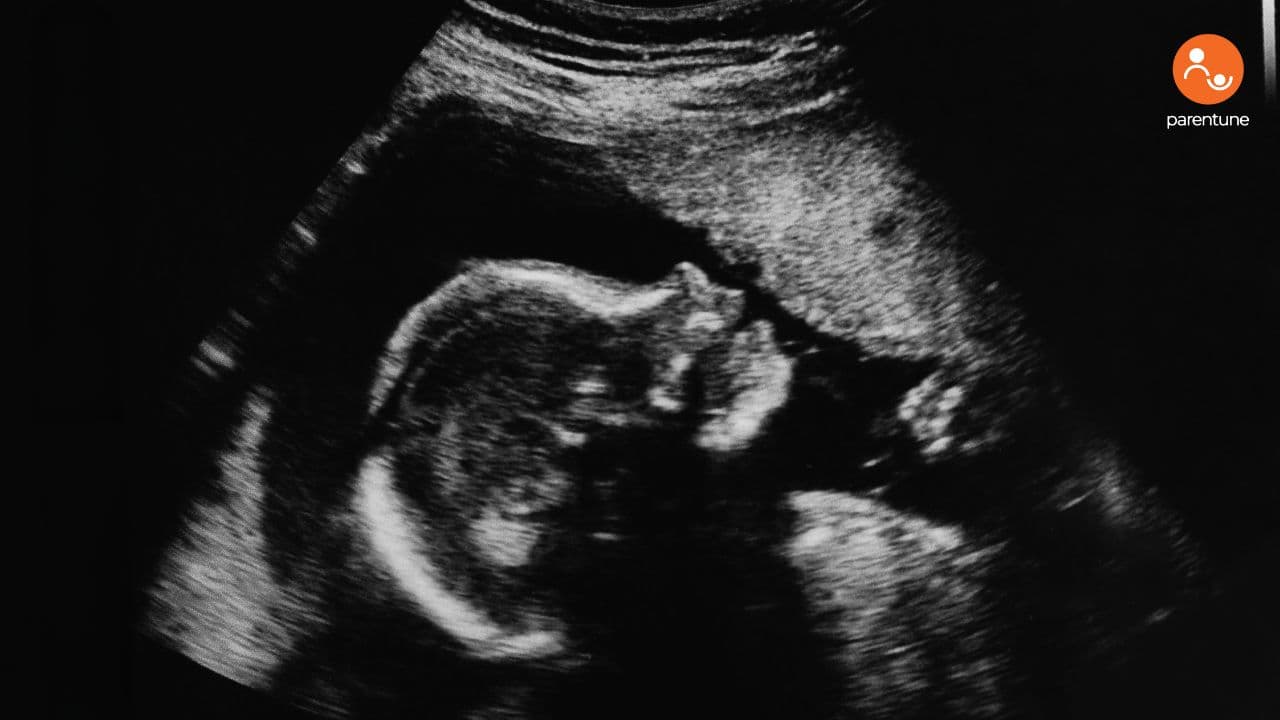
Ultrasound is the window that makes the invisible visible.
Doctors use it to:
-
Confirm fetal heartbeat
-
Locate the bleed (how close is it to the placenta?)
-
Measure its size (this matters more than you’d think)
Smaller bleeds tend to resolve quickly. Larger ones—especially near the placenta—may require more monitoring.
Should You Worry? It Depends On Three Things
Think of it like this: not all SCHs are created equal.
Here are the three factors that matter most:
-
Size of the bleed – Smaller SCHs (<20% of the gestational sac size) usually clear up without issue.
-
Location – Bleeds near the placenta or cervix may need closer follow-up.
-
Symptoms – Heavy bleeding with pain needs immediate attention.
But even large SCHs don’t always lead to complications.
In fact, many women go on to have full-term healthy pregnancies.
Treatment? Often, Less Is More
There’s no “cure,” because most SCHs heal on their own.
But there are ways to manage the situation and reduce risks.
Doctors may suggest:
-
Modified bed rest – no heavy lifting or prolonged standing
-
Pelvic rest – avoid intercourse or internal exams
-
Hydration – keeps blood volume stable
-
Regular ultrasounds – to track progress
In some cases, you may be prescribed progesterone supplements to help stabilize the pregnancy—especially if you're at high risk for miscarriage.
Does SCH Increase Miscarriage Risk?
Here’s the nuanced truth:
-
Small SCHs? No significant risk.
-
Large SCHs (especially in older pregnancies)? Slightly increased risk of complications, including preterm labor or placental abruption.
But remember: risk is not destiny.
Even in higher-risk cases, regular monitoring and early intervention help tilt the odds back in your favor.
How Long Does It Take To Heal?
Most SCHs resolve by weeks 12–20, as the placenta finishes forming and the body reabsorbs the blood.
You may notice spotting stop and start again—that doesn’t always mean it’s growing.
The key is: track, don’t overreact.
Recommended readings:
Real Moms, Real Stories: You’re Not Alone
If you’re like most expectant moms, you want answers—and reassurance.
That’s why platforms like Parentune exist: to share not just medical facts but lived experiences.
Stories from moms who’ve navigated the same fears.
Community-backed answers.
Support that isn’t sugar-coated—but is full of hope.
Because sometimes, the most powerful comfort is knowing you're not the only one googling "bleeding during pregnancy" at 2 AM.
The Parentune Perspective: Why It Matters
At Parentune, we don’t just tell you what a subchorionic hemorrhage is.
We tell you what it feels like to live with one.
That strange in-between where every scan becomes a lifeline.
Where silence from your doctor is somehow good news.
Where you're waiting not just for the second trimester—but for peace of mind.
We believe in expert-verified info, peer validation, and judgment-free support. Because pregnancy is not just a medical journey—it’s a mental one too.
What You Can Do Now
1. Get diagnosed properly
Only an ultrasound can confirm a SCH.
2. Track symptoms
Note down any bleeding—color, flow, duration.
3. Follow your doctor’s advice
Especially around rest, sex, and activity.
4. Don’t spiral
Bleeding doesn’t always mean loss. SCH is not the same as miscarriage.
5. Stay connected
Parenting—and pregnancy—is a community sport. Platforms like Parentune connect you with those who get it.
Final Thought: Don’t Let A Diagnosis Define the Journey
A subchorionic hemorrhage can shake your confidence in the calm early days of pregnancy.
But it’s also a reminder that your body is working—to hold, heal, and protect.
Most importantly: this doesn’t mean your pregnancy is broken.
It just means it’s being monitored with a little more care.
And sometimes, that’s a gift in disguise.
Your All-In-One Baby Toolkit
Monitor milestones, growth, and discover unique baby names easily




Be the first to support
Be the first to share