It is now that the embryonic form of your baby is going to start transforming into a real little person. He or she will start having arms, legs, and a beating heart. Interestingly, they also have a tiny tail at this moment, which will soon disappear. How amazing, isn't it? By week 6, your baby has already gone through three sets of kidneys, but by this week they will start forming their final set, which will help in the baby's waste management. Soon, your baby is going to start passing urine that will constitute a part of amniotic fluid. **The Baby's Size At 6 Weeks Pregnant** Size-wise, as of now, your baby is around the size of a blueberry, which is around a quarter of an inch (5.08mm to 6.35 mm) in length. Bobbing around in your womb, your baby is now indeed 10,000 times bigger than what it was in the conception stage. Aren't you in awe just thinking about the kind of growth your baby has been able to go through? **6 Weeks Pregnant Symptoms** Here are some symptoms that you may experience at 6 weeks pregnant: - Morning sickness : You may have nausea that could occur at any time of the day. This often begins around Week 5 or 6 of pregnancy and usually eases up by the end of the first trimester. - Increased urination: Another early sign of pregnancy is the urge to pee more. This happens because of: - Increased blood flow, which leads to your kidneys processing extra fluids - Surging pregnancy hormones To manage this, stay hydrated by drinking a sufficient amount of water. Pale yellow or colorless urine indicates that you’re well hydrated. - Mood swings: You could notice mood swings around 6-10 weeks of pregnancy. This could be brought on by: - Stress - Fatigue - Hormonal changes If you find yourself feeling particularly low, talk to your doctor about it. - Breast tenderness: One of the early symptoms of pregnancy is tender and swollen breasts. Raised levels of pregnancy hormones can increase the blood flow to your breasts, making them: - Sore - Tingly - Unusually sensitive to touch - Fatigue: You may feel unusually exhausted at 6 weeks pregnant. This could be due to hormonal changes, such as the rapid increase in progesterone levels. - Metallic taste: Surging estrogen levels may cause a metallic, coppery taste in your mouth. You can deal with this by: - Brushing and flushing frequently - Gargling with a teaspoon of salt or a quarter teaspoon of baking soda in 250 ml of water - Eating acidic food - Chewing mint gum - Headaches: Pregnancy headaches are common during the first trimester. This pregnancy symptom should ease up as you enter the second trimester. Until then, do the following to experience relief: - Avoid foods such as MSG and artificial sweeteners that trigger headaches - Get enough sleep, water, food, and exercise - Relax by getting a massage or meditating - Take a headache medication after consulting your Doctor - Heartburn: You may experience heartburn and indigestion as the muscle at the top of the stomach that prevents acid reflux relaxes. You can ease the symptoms by: - Avoiding greasy and spicy foods - Avoiding fruits such as citruses and tomatoes - Eating your meals slowly - Not wearing tight-fitting clothes - Having an early dinner - Keeping your head elevated on pillows while sleeping - Bloating and gas: Heightened levels of progesterone could cause bloating, gas, and constipation. To avoid these symptoms, eat a lot of fiber and stay hydrated.
 Content verified by Dr. Shubhi Gupta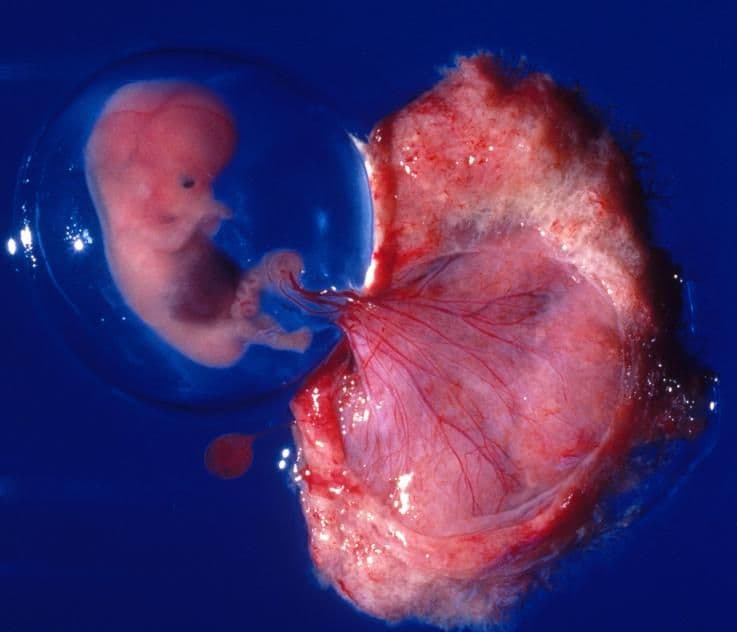

Week 7
Weeks to go!
Your baby is about the size of a blueberry. The brain is growing rapidly, and the eyes, ears, nose, and mouth are beginning to take shape while tiny arm and leg buds continue to develop.
Weight
3g
Length
1.7 cm
Days Left
231
Expert Advice
Reviewed by: **Dr.Sadhna Singhal, Sr consultant in Obs & Gynae at Sri Balaji Action Medical Institute, New Delhi**
"In the 6th week of pregnancy, the baby's brain starts developing rapidly. So you may notice bloating sensations, aches, and pains, accompanied by headaches, stress, fatigue, dehydration, tiredness, morning sickness, tender breasts, and food cravings. It is recommended to plan your Antenatal visit soon, if not already taken. Take nutritious meals, and do follow correct medication as it is highly recommended. Some light exercise or walking may be very helpful. For tender breast, wear easy fitting undergarments and take gentle and warm showers."
Have a pregnancy concern?
Get expert medical advice from the comfort of your home
Related Blogs


Ask Doctor
Can pregnant moms take the pertussis vaccine to protect their baby?

Dr. Nida Asif
Pediatrician
The pertussis vaccine is commonly recommended during pregnancy, but yo...read more
Can pregnant moms take the pertussis vaccine to protect their baby?

Dr. Nida Asif
Pediatrician
Mild discharge can be common in pregnancy. If it has a strong smell, i...read more