story-behind-it
Can Light Spotting After Sex Mean You're Pregnant?
child
1.2M views
14071720102156.png&w=64&q=75)


Published: 04 Jul 2025
Sometimes the smallest things feel the biggest when you're trying to conceive.
A flutter. A faint pink stain. A question you weren’t expecting to ask:
Can light spotting after sex mean I’m pregnant?
Let’s get one thing clear from the start.
Spotting doesn’t always mean pregnancy.
But it can be one of the earliest whispers your body gives, if you know how to listen.
What Exactly Is Light Spotting?
Not your period. Not quite bleeding. Somewhere in between.
Light spotting is when you notice a small amount of blood—usually pink or brown—on your underwear or after wiping.
It’s not enough to fill a pad.
It often shows up unexpectedly.
And it tends to raise questions, especially when it appears after sex.
But before we go down the pregnancy rabbit hole, let’s get a better handle on what causes spotting in the first place.
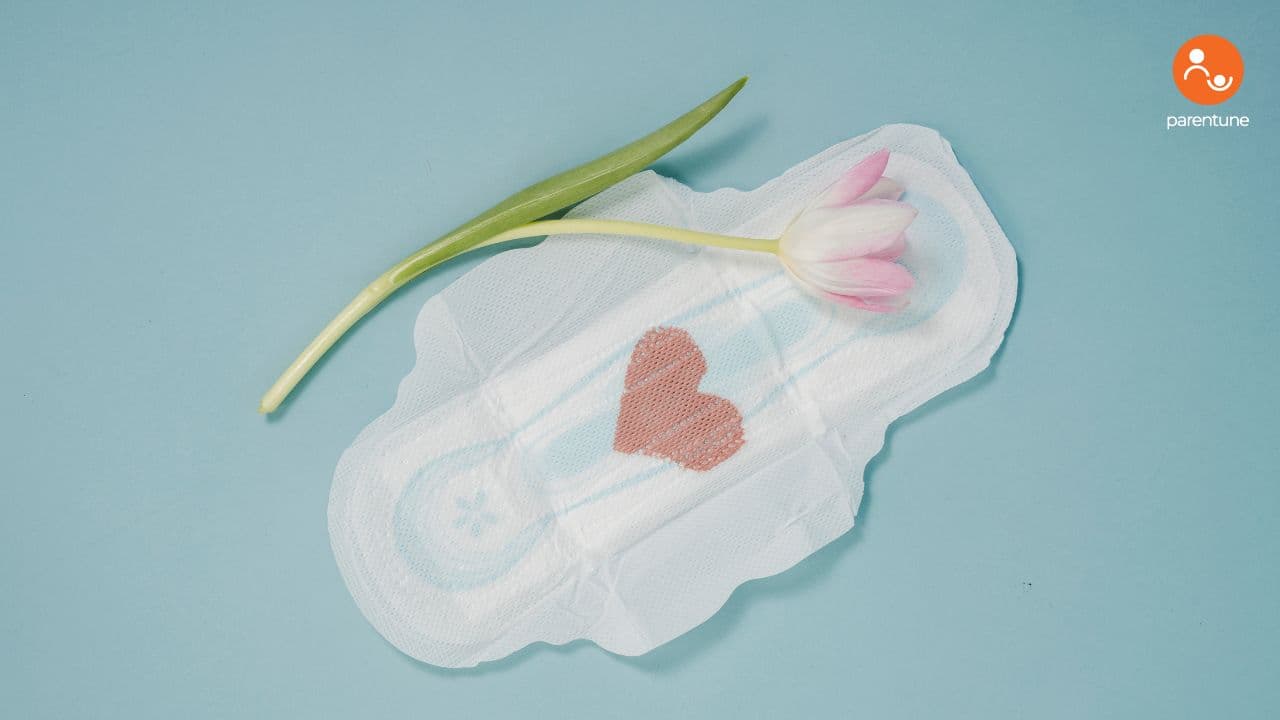
Why Does Spotting Happen After Sex?
The cervix is sensitive—especially at certain times of the month.
There are a few common reasons you might spot after intercourse
1. Ovulation
Mid-cycle spotting happens when hormone levels shift around ovulation.
Your cervix also becomes softer and more prone to irritation during this window—making post-sex spotting more likely.
2. Implantation Bleeding
If you’ve recently conceived, the fertilized egg may be burrowing into the uterine lining.
This can cause a small amount of bleeding known as implantation spotting.
It usually happens 6–12 days after ovulation. Sex around this time might just bring it to light—literally.
3. Cervical Changes in Early Pregnancy
Once pregnant, your cervix gets softer and filled with more blood vessels. Even gentle sex can sometimes cause minor bleeding.
4. Infections or Irritation
From a yeast infection to bacterial vaginosis, vaginal infections can make the cervix more fragile.
Even a lack of lubrication during sex can lead to small tears or irritation that result in spotting.
So... Does Spotting After Sex Mean You’re Pregnant?
It might. But it's not a guarantee.
Here’s a quick framework to help make sense of it:
Ask yourself these 3 timing-based questions:
-
Where are you in your cycle?
Spotting during the second half of your cycle—especially 6–12 days after ovulation—could align with implantation. -
Was the spotting accompanied by any other signs?
Early pregnancy symptoms like tender breasts, fatigue, nausea, or mood shifts often show up around the same time. -
Is the bleeding recurring or just once?
Implantation bleeding typically lasts a day or two, is very light, and doesn’t grow heavier over time.
If the spotting comes with cramps, strong flow, or lasts several days—it’s likely not implantation.
How Implantation Spotting Works
This is where biology whispers before it speaks.
When a fertilized egg travels down the fallopian tube and reaches the uterus, it needs to attach to something.
That “something” is your endometrial lining.
The moment of attachment can trigger minor capillary bleeding, which shows up as spotting.
And yes, it’s possible that sex—by increasing pelvic blood flow or stimulating the cervix—makes that spotting noticeable.
But again, this is just one possible explanation among many.
What Does Implantation Spotting Look Like?
Clarity hides in the details.
-
Color: Light pink, brownish, or rust-colored
-
Flow: Very light—not enough to soak a pad
-
Timing: Usually 6–12 days after ovulation
-
Duration: Lasts a few hours to a couple of days
Think of it as a blush on the body’s canvas—not a full brushstroke.
What If You’re Actively Trying to Conceive?
This is where things get emotionally charged.
When you're trying, every symptom feels loaded.
Hope and uncertainty become part of daily life.
Here’s what to do if you notice spotting after sex and think it might mean you're pregnant:
1. Wait 48–72 hours before testing.
Testing too early can give you false negatives. Wait until the day of your expected period or later for accurate results.
2. Track patterns, not just moments.
Use a journal or app to track cycle days, symptoms, and timing. Spotting once might not mean much. But patterns tell stories.
3. Talk to your OB/GYN if the bleeding increases or feels unusual.
Always better to rule out things like cervical polyps, infections, or hormonal imbalances.
When Should You Worry About Spotting After Sex?
Not all spotting is harmless. Some signs deserve attention.
Call your doctor if:
-
The bleeding is heavy or continues for more than two days
-
You experience sharp or persistent pain
-
There’s a foul odor or unusual discharge
-
You feel lightheaded or dizzy

In early pregnancy, spotting can occasionally signal complications like ectopic pregnancy or miscarriage—though many pregnancies with early spotting go on to be completely healthy.
How Common Is Spotting In Early Pregnancy?
More common than most people realize.
According to the American Pregnancy Association, around 20% of pregnant people experience some spotting during the first trimester.
But here’s the catch:
Only a small percentage of those cases are caused by implantation bleeding.
Most early pregnancy spotting happens after a confirmed positive test, not before.
What Other Signs Could Point To Pregnancy?
Spotting alone isn’t enough. You need the bigger picture.
Common early pregnancy signs include:
-
Missed period
-
Mild cramping
-
Nausea or food aversions
-
Breast tenderness
-
Fatigue
-
Frequent urination
-
Bloating or mood swings
Taken together, they help create a more reliable picture than any single symptom can.
The Takeaway: Don’t Jump To Conclusions—But Don’t Ignore It Either
Your body knows before you do. But it doesn’t always speak clearly.
Spotting after sex can be:
-
A normal response to increased blood flow
-
A sign of ovulation
-
A symptom of an infection
-
An early pregnancy clue
Or none of the above.
Context is everything.
Timing. Symptoms. Cycle patterns. All of it matters.
So if you’re ever unsure, talk to your healthcare provider. That one step can save you days of worry.
Why It’s Okay To Ask These Questions Out Loud
Pregnancy isn’t just a medical journey. It’s an emotional one.
And sometimes what we need most isn’t a yes/no answer.
It’s a space to ask the messy, hopeful, awkward questions without judgment.
That’s exactly why platforms like Parentune exist.
It’s not just a parenting site. It’s a trusted companion for the rollercoaster of conception, pregnancy, and parenting.
At Parentune, you’re not alone in wondering “What does this mean?”
You’ll find expert advice, mom-to-mom solidarity, and real-time answers that actually help.
Because navigating parenthood should feel like joining a village—not getting lost in a maze of search results.
Final Word: Trust, But Verify
Your body has its own language. You’re just learning to translate.
Spotting after sex could mean pregnancy. Or it could mean nothing at all.
The only way to know for sure?
Time. Patience. A little science.
And above all—support.
If you found this helpful, join the conversation at Parentune.com—where real parents meet real advice.
Your All-In-One Baby Toolkit
Monitor milestones, growth, and discover unique baby names easily




Be the first to support
Be the first to share