pregnancy-by-week
Can Spicy Food Induce Labor? Separating Facts From Fiction
14071720102156.png&w=64&q=75)


Published: 10 Jul 2025
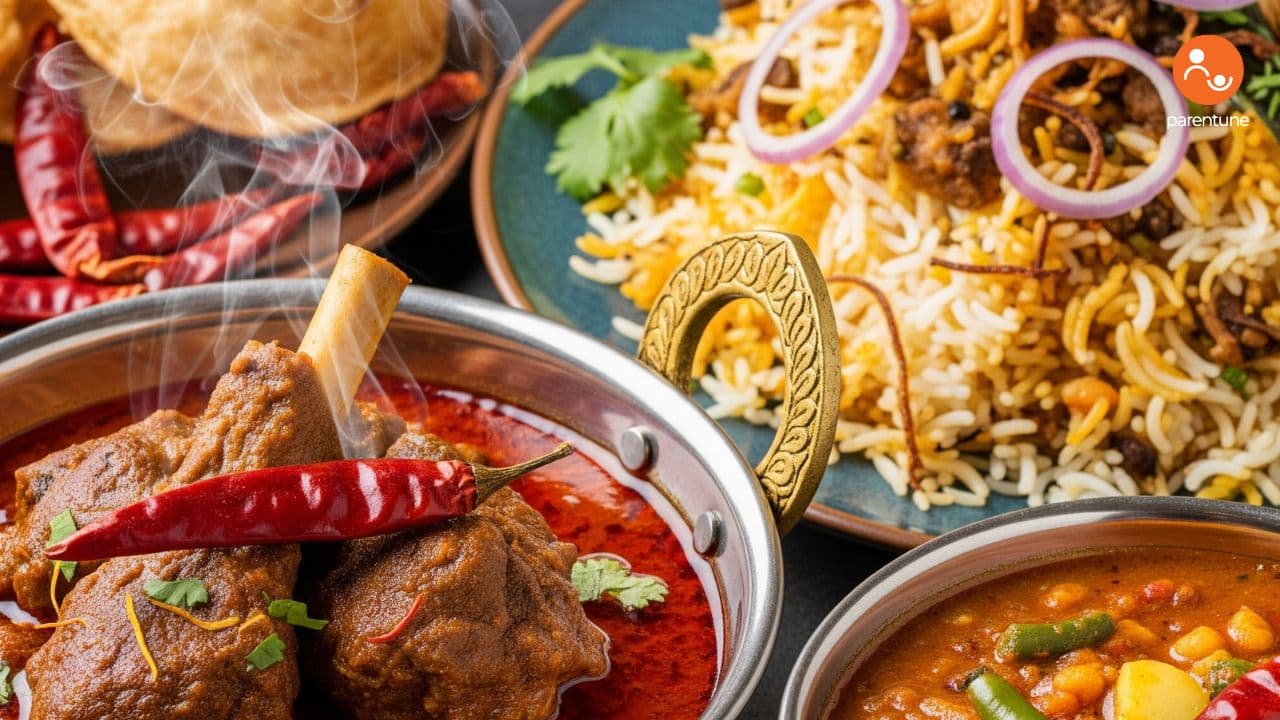
A plate of spicy curry lands on the table.
The aroma is familiar. Your friend leans in and says, “Eat up. They say it’ll kick-start labor!” If you’re weeks, maybe days away from delivery, this sounds almost magical. One meal. One fiery bite. Suddenly, the finish line is right there.
But let’s pause.
Where do these stories come from? What does science actually say? And what are your real options as you approach your due date, waiting for those first undeniable signs of labor?
This piece isn’t just about peppers or old wives’ tales. It’s a look at how the stories we inherit about birth, food, and control can shape decisions at life’s edges. We owe it to ourselves and our community to separate fact from fiction, skepticism from cynicism, and anecdote from evidence.
Let’s Get Systematic.
Why Do So Many Swear By Spicy Food As A Labor Inducer?
Myth mingles with hope in every family kitchen.
We reach for patterns—often in food, rituals, or routines—when outcomes feel outside our hands. Spicy food is the pistachio shell of pregnancy advice: everywhere, oddly specific, and weirdly hard to crack.
Why do so many cling to this?
-
It’s easy and accessible (Anyone can add chili. No need for appointments or approvals.)
-
It offers a sense of agency (Do something, not just wait.)
-
It’s supported by a community (Your aunt, your neighbor, that mom in your WhatsApp group—everyone has a story.)
It’s no surprise. When the question is “When will I finally meet my baby?”, people will try nearly anything that offers a clear, simple promise.
Aphorism: In moments of uncertainty, agency—even the illusion of it—can feel like progress.
You may also like to read:
What’s The Actual Science Behind Spicy Food And Labor?
Let’s make one thing clear: No scientific study has ever shown that spicy food can reliably induce labor.
Bold claim? Let’s check the evidence.
What Actually Happens When You Eat Spicy Food Pregnant?
Start here:
-
Capsaicin (the compound in chilies) irritates the digestive tract.
-
Spicy food can stimulate the gut, occasionally causing indigestion or increased bowel movements.
-
This “gut stimulation” is the root of the myth.
The logic? If your intestines get moving, maybe your uterus will too.
But here’s the system at play: The uterus and the gut have distinct roles—linked by nerves, yes, but running on separate schedules.
What Do Studies And Experts Say?
Every serious medical organization—the American College of Obstetricians and Gynecologists (ACOG), the Royal College of Midwives, and India’s Federation of Obstetric and Gynaecological Societies—has addressed this.
They agree:
-
No reliable evidence. No medical endorsement.
-
Spicy food doesn’t initiate labor the way prostaglandins, oxytocin, or membrane sweeps can.
-
At best, it gives you heartburn. At worst, an upset stomach.
Parentune’s own medical advisers underline this: Labor starts when your body, your baby, and your biology all agree it’s time—which isn’t something you can rush with Sriracha.
Why Do Anecdotes Sound So Convincing If The Science Doesn’t Back It Up?
Humans are meaning-makers. We remember the coincidental, not the coinciding.
Story time: Priya ate vindaloo on Monday. Water broke Tuesday. Forever branded: “Spicy food works!”
But—
-
Hundreds of others eat the same. Nothing happens.
-
We forget the misses. We celebrate the hits.
Aphorism: Anecdotes are not data; they are dopamine for the hopeful.
Our brains crave narrative. Coincidences get spun into cause-and-effect. It’s how urban legends survive. It’s also why we need communities—like Parentune—to provide evidence, context, and support.
The Real Ways Labor Can Be Induced—Medically And Naturally
Here’s the system you can trust—the medical toolkit:
One option: Medical Induction
-
Involves hormones (oxytocin drip, prostaglandin gel)
-
Outpatient or hospital monitored
-
Recommended only when medically necessary
The second option: Membrane Sweep
-
Doctor manually stimulates the cervix
-
Sometimes triggers labor within days
-
Zero culinary involvement
The third option: Non-medical (but evidence-backed) support
-
Gentle exercise, walking
-
Relaxation, stress reduction (oxytocin-friendly states)
-
Intercourse (semen contains prostaglandins—and, yes, this one does have some data)
Notice what’s not on the list? Spicy food. Castor oil. Hot baths. Pineapple. Great for flavor. Less so for labor.
So Why Do We Keep Looking For These Shortcuts?
Agency. Community. Tradition. Three invisible forces shape how we approach the unknown.
-
Agency: You want to act, not wait.
-
Community: You trust tested wisdom, especially from those you know.
-
Tradition: Ritual offers comfort; routines make uncertainty bearable.
The cost of action feels lower than the cost of waiting. It's easier to try than to relinquish control.
Aphorism: If doing something feels better than waiting, people will do almost anything—even chili for dinner every night.
Costs And Benefits: What’s At Stake If You Try It Anyway?
Let’s enumerate the real risks and rewards.
Benefits of Trying Spicy Food
-
Enjoyment, if you love heat
-
Potential digestive stimulation if you’re constipated (a common pregnancy complaint)
-
Psychological feeling of action, agency
Costs and Side Effects
-
Heartburn
-
Indigestion
-
Potential nausea, diarrhea
-
Unmet expectations if labor doesn’t start (emotional letdown)
For anyone with digestive issues, spicy food during late pregnancy can be actively uncomfortable—not empowering.
Options for Expectant Parents: What Should You Actually Do?
Here’s the map.
One option: Embrace the waiting. Use the time to prepare. Pack your bag. Rest. Connect with partners, friends, or the Parentune community—virtually or in-person.
The second option: Try natural strategies that support—not force—labor readiness. This means walking, gentle movement, and mindfulness. Tiny rituals that optimize (not guarantee) the conditions for your body to decide it’s time.
The third option: Trust medical expertise for decisions about induction. If your doctor recommends an intervention, ask questions. Understand why. Shared decision-making is the gold standard.
Remember: Eating spicy food isn’t dangerous for most, but it’s not a silver bullet. If your gut says yes, great. If your body pushes back, listen.
How Community—and Expert Advice—Bridges Tradition And Science
This is where platforms like Parentune make a difference.
One parent’s “worked for me” isn’t enough. But shared stories—vetted by health professionals with expertise in Indian family life—create a map you can trust.
-
Real experiences, not just recycled myths
-
Evidence-based guidance, not just “hacks”
-
Emotional solidarity when waiting feels endless
Pregnancy is a community story. So is parenting. And the most useful community advice emerges where personal experience meets expert validation.
The Bottom Line: What’s The One Line You Should Remember?
Spicy food brings flavor. It rarely brings labor.
In the end, what matters is not finding the shortcut to birth, but being held—by good information, trusted experts, and a community that knows both the old tales and the real science behind them.
You bring the courage. We’ll bring clarity.
Need more evidence-based, parent-tested answers for your journey? Parentune is here—for connection, credibility, and support. No myths. Just systems that work.
Takeaway: Every myth contains a hidden need. The real task is to meet the need—community, agency, reassurance—with tools you can trust.
That’s how myths give way to systems. And how families move from uncertainty to confidence, one small decision at a time.
Ready to separate fact from fiction and write your own story? Join the conversation at Parentune. Where your questions launch real answers, together.
Your All-In-One Baby Toolkit
Monitor milestones, growth, and discover unique baby names easily




Be the first to support
Be the first to share