pregnancy-by-week
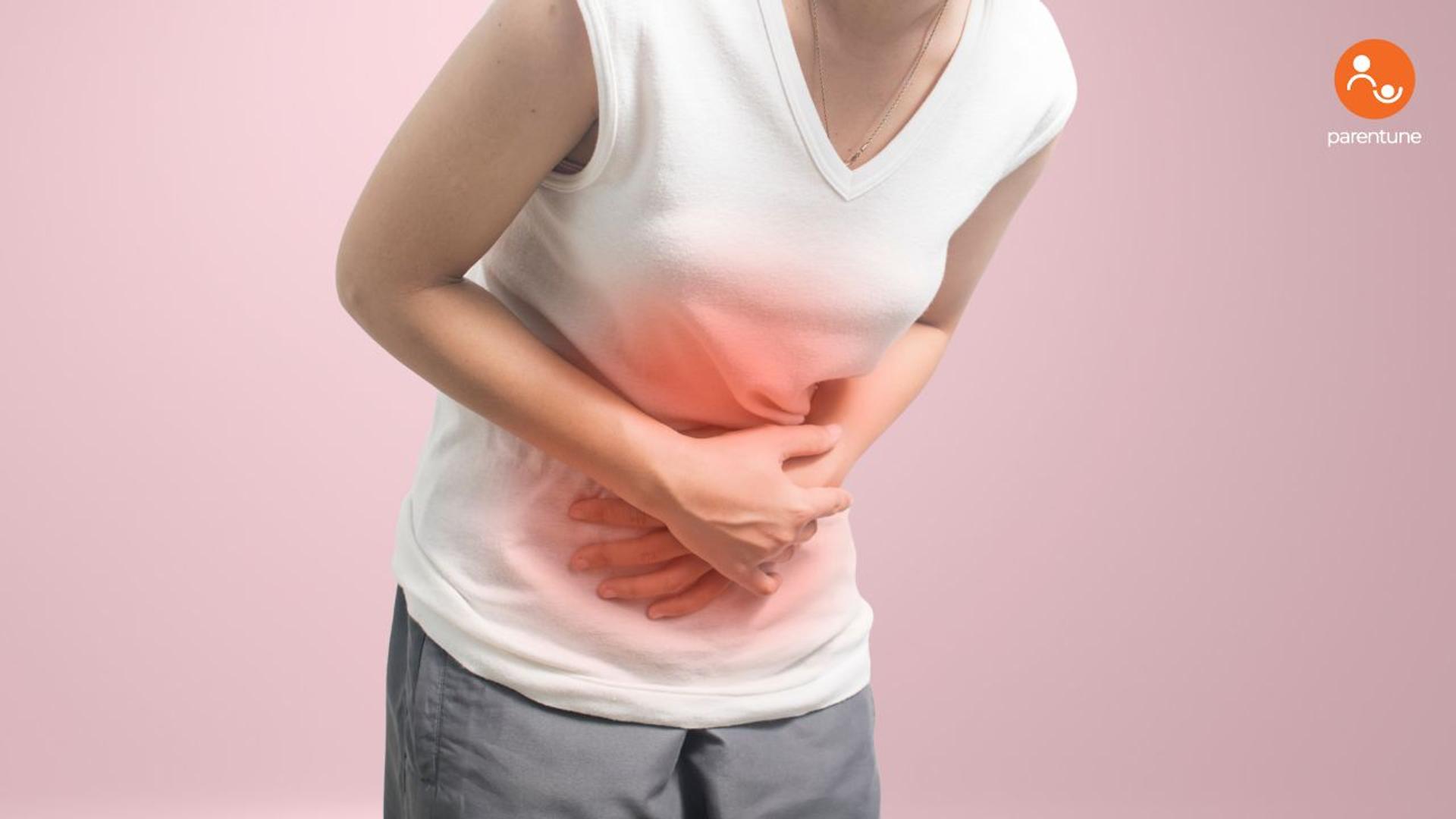
Cramping During Early Pregnancy: What’s Normal, What’s Not, And When To Worry
pregnancy
1.4M views
14071720102156.png&w=64&q=75)

Published: 17 Jul 2025
Early pregnancy can feel like a mystery box—each symptom a puzzle.
And one of the most common (and confusing) pieces? Cramping.
For many expectant parents, that tugging or pinching feeling in the lower belly brings up a mix of questions—and fears. Is this normal? Is something wrong? Should I be concerned?
Let’s unpack the hidden systems behind cramping in early pregnancy—what’s reassuring, what’s not, and how to think through it like someone who understands their own body and what’s going on inside it.
Why Does Cramping Happen In Early Pregnancy?
Because your body is already working overtime.
From the moment of implantation, the uterus begins to stretch, shift, and grow. The ligaments around it loosen. Hormones like progesterone surge. All of this activity can lead to sensations that feel unfamiliar—sometimes dull, sometimes sharp, often somewhere in between.
This is not dysfunction. This is construction.
Just like a house creaks during renovation, your body signals change through physical sensations. Cramping is one of the first.
Also worth reading:
What Kind Of Cramping Is Considered Normal?
Not all cramps mean the same thing. Context matters.
Here’s what usually falls into the "normal" range:
-
Mild and short-lived: Comes and goes, doesn’t stop you in your tracks
-
Located low in the abdomen or lower back
-
Not accompanied by heavy bleeding
-
Feels similar to period cramps or mild pulling
Think of it as your uterus texting you: “Hey, we’re growing something here.”
When Should Cramping Raise A Red Flag?
Pain is the body’s way of getting your attention. Some signals shouldn’t be ignored.
If any of the following show up, it’s time to talk to a doctor:
-
Severe cramping that doesn’t go away
-
Sharp, stabbing pain on one side
Bleeding that’s more than spotting -
Shoulder pain or dizziness (potential sign of ectopic pregnan
-
Fever or chills
Here’s the difference: Normal cramping is annoying. Abnormal cramping is alarming.

What Do Doctors Typically Check For If You Report Cramping?
They’ll look for patterns—and rule out problems early.
Expect one or more of the following:
-
Ultrasound to check location of pregnancy and rule out ectopic
-
Blood tests for hCG and progesterone levels
-
Pelvic exam if necessary
-
Urine test to check for infections
This isn’t overreacting. It’s risk management.
And it’s exactly what Parentune encourages—empowered parents asking the right questions, early.
Recommended readings:
Possible Causes Of Cramping That Aren’t Dangerous
Let’s decode the harmless (but confusing) culprits behind early pregnancy cramps:
-
Implantation cramping: Occurs when the fertilized egg attaches to the uterus lining—typically around 6–12 days after ovulation.
-
Uterine growth: As the uterus stretches, round ligament pain or general discomfort is common.
-
Gas or bloating: Hormonal changes slow digestion, making your gut more sensitive.
-
Sexual activity: Blood flow to the pelvis increases during pregnancy, and cramping afterward is usually not a sign of harm.
-
Constipation: One of the least glamorous, but most common culprits.
Each of these mimics something more serious. That’s the emotional trap.
But tracking the bigger picture—frequency, intensity, associated symptoms—helps decode the difference.
What Makes This Emotionally Harder Than It Looks?
Because cramping feels like uncertainty made physical.
It brings up the ghosts of past miscarriages for some.
For others, it taps into a deeper fear—that you’re missing something, failing to protect what’s growing inside.
That’s why spaces like Parentune exist. Not just for advice, but for solidarity.
When expectant moms share their experiences—“I had cramps in week 6 too, and everything turned out fine”—they create reassurance systems that even Google can't replicate.
What Can You Do To Ease Normal Pregnancy Cramps?
Sometimes, the most powerful thing is not panicking. But there are practical tools too.
Try these low-intervention relief options:
-
Stay hydrated – dehydration can trigger uterine irritability
-
Rest – especially lying on your left side to improve circulation
-
Warm (not hot) compress – gentle heat on your lower belly
-
Gentle stretching – prenatal yoga, pelvic tilts
-
Track symptoms – use an app or notebook to monitor patterns
And if anything feels off, trust your instinct. That quiet “this doesn’t feel right” deserves respect.
The Mental Game: Reframing What Cramping Means
Here’s a reframe worth remembering:
Early pregnancy cramps are often signs of growth, not threat.
But we’ve been trained to equate discomfort with danger. Especially in a culture that expects women to “just know” what’s happening in their bodies from the moment of conception.
Instead, consider this:
Uncertainty is part of the process. The work isn’t to eliminate it—it’s to learn how to listen more closely through it.
That’s what thoughtful parenting starts with. Not control. But awareness.
When in Doubt, Reach Out
There’s no prize for guessing correctly when it comes to symptoms.
Ask your doctor. Check with other parents. Consult experts on platforms like Parentune, where verified advice meets lived experience.
Pregnancy doesn’t come with a manual. But it can come with a community.
Final Takeaway: What This Teaches Us About Parenting Itself
Cramping in early pregnancy is more than a symptom. It’s a metaphor.
You’re entering a phase where the line between discomfort and growth becomes blurry.
Where instincts matter as much as information.
And where having the right support—medical and emotional—can turn anxiety into agency.
So the next time you feel that tug in your belly, pause. Breathe.
Then ask: What’s really happening here?
Because most of the time, your body isn’t breaking.
It’s building.
Your All-In-One Baby Toolkit
Monitor milestones, growth, and discover unique baby names easily




Be the first to support
Be the first to share