nutritious-foods
Green Tea And Pregnancy: What’s Safe, What’s Not, And Why It Matters
pregnancy
1.4M views
14071720102156.png&w=64&q=75)


Published: 16 Jul 2025
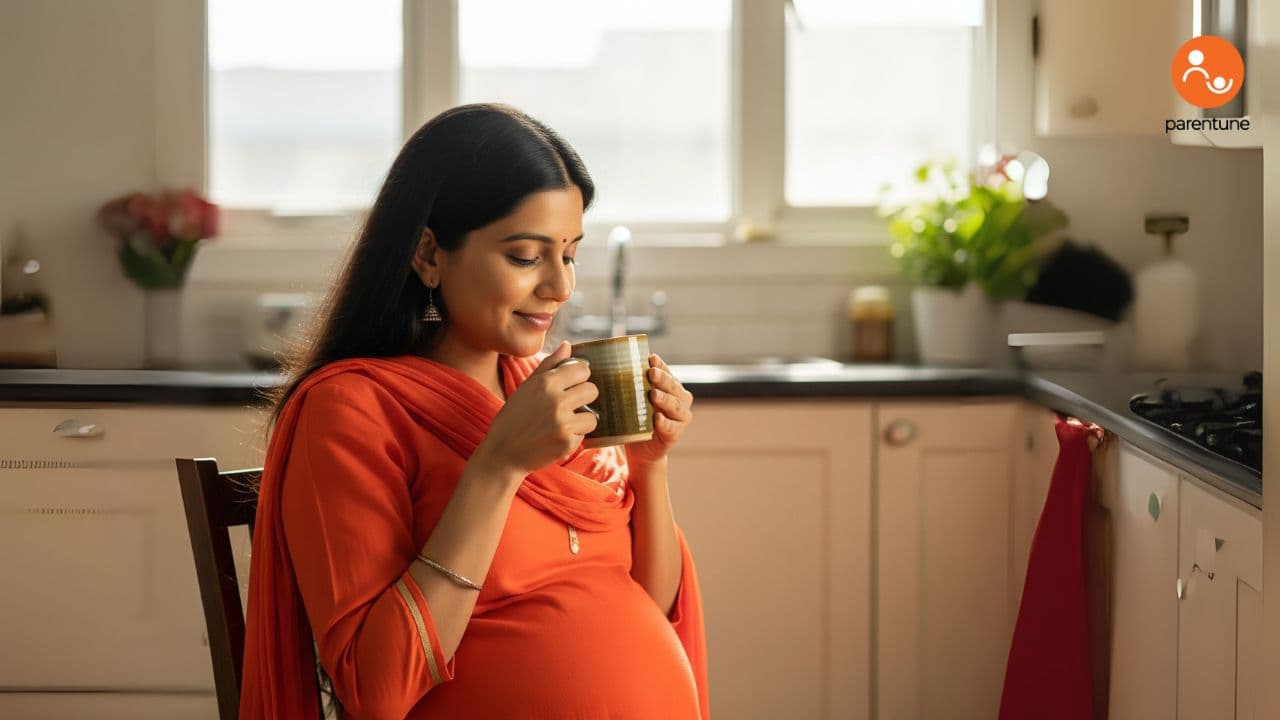
An expectant mother. A steaming cup of green tea. And a question that brews deeper than it looks.
Can something as simple as green tea affect your pregnancy?
It seems harmless. In fact, it feels healthy.
You’ve heard it flushes out toxins. Boosts metabolism. Packed with antioxidants.
So, how can something that’s good for everyone else be possibly tricky during pregnancy?
That’s where this gets interesting.
Why Green Tea Isn’t A Straightforward Yes Or No
Pregnancy changes the rules.
What’s safe at one point can be risky the next. Not because green tea turns toxic, but because your body—and your baby—process things differently now.
Let’s unpack the system underneath the sip.
Recommended readings:
What’s In Green Tea That Raises Eyebrows During Pregnancy?
1. Caffeine
Even though green tea has less caffeine than coffee, it still has caffeine. About 25–35 mg per cup.
Why that matters:
-
Caffeine crosses the placenta.
-
Your baby’s liver is still developing and can’t metabolize caffeine well.
-
Excess caffeine has been linked to low birth weight and, in rare cases, miscarriage.
2. Catechins (Antioxidants)
Green tea is rich in catechins—especially EGCG (epigallocatechin gallate). That’s great for most of us.
But in pregnancy?
Catechins can inhibit folate absorption—and folate is crucial in the first trimester for preventing neural tube defects.
3. Tannins
These compounds can interfere with iron absorption, which is already a delicate balance in pregnancy.
The net effect?
A soothing drink might be quietly disrupting key nutrients your baby needs to grow.
So, Is Green Tea Completely Off-Limits? Not Quite.
Like most things in pregnancy, it’s not about extremes—it’s about balance.
Think of it as a budget.
You get a daily caffeine allowance during pregnancy: around 200 mg according to most health authorities.
That’s:
-
1 cup of brewed coffee
-
OR about 3–4 cups of green tea
-
But not both
-
And definitely not alongside a bar of dark chocolate or a cola
So if you’re sipping green tea instead of coffee? That’s one choice.
If you’re having a matcha latte and a croissant with chocolate? That’s another.
Parent tip: Some women find switching to decaf green tea or limiting themselves to 1 cup a day feels like a sustainable middle path.
What Stage Of Pregnancy Matters Most For Green Tea Intake?
Timing shapes risk.
First trimester:
This is when folate levels matter most. So, minimizing green tea during the first 12 weeks is the safest bet.
Second trimester:
If nausea has passed and you’re back to regular eating habits, a cup here and there is usually fine—especially if you’re hitting your prenatal vitamin goals.
Third trimester:
Watch your iron levels. Tannins may interfere, especially if you’re borderline anemic (which is common in late pregnancy).
How To Make Green Tea Pregnancy-Safe: Real-World Strategies
Let’s not talk theory. Let’s talk tea times.
1. Skip it during meals
Drinking green tea right before or after food can reduce iron and folate absorption. Wait an hour instead.
2. Brew it light
Shorter steep time = lower caffeine and lower catechins.
Steep for 30 seconds instead of 3 minutes.
3. Avoid matcha overload
Matcha = ground whole leaves = more concentrated caffeine and catechins.
One small cup is equivalent to 3–4 green tea bags. Treat it as a treat.
4. Don’t combine with iron supplements
Green tea can block absorption. Space it out by at least 1–2 hours.
But What About Herbal Green Teas? Aren’t They Safe?
Here’s the catch:
“Herbal” doesn’t automatically mean “safe in pregnancy.”
Some herbal green teas blend with:
-
Ginseng (not recommended)
-
Licorice root (can raise blood pressure)
-
Peppermint or ginger (generally safe but check dosage)
Also worth reading:
If it’s not plain green tea, always check with your OB or a clinical dietitian.
At Parentune, we often hear from moms who felt blindsided by the herbal tag—because it sounded harmless, but wasn’t. The parent community is full of real stories like these—worth tuning into before you sip.
Green Tea Vs. Other Pregnancy-Friendly Drinks
Need to swap out your green tea but still want something warm and comforting?
Here are three alternatives:
1. Warm Lemon Water
Soothing. Low risk. Can aid digestion. Bonus: helps hydrate.
2. Roasted barley tea (Korean “boricha”)
Naturally caffeine-free. Nutty and light. Often given to toddlers too.
3. Decaf ginger tea
Good for nausea. Easy on the gut. Familiar comfort.
How Cultural Habits Can Skew Our Risk Radar
In many Asian cultures, green tea is practically water. Served with meals, given during pregnancy, offered at hospitals.
So, it’s easy to assume it’s universally safe.
But remember: cultural habits aren’t medical absolutes. They’re shaped by:
-
Metabolic differences
-
Genetic tolerance
-
Dietary context
Which is why personalization matters—your pregnancy, your nutrition, your context.
That’s also why platforms like Parentune exist—to connect you with your kind of questions and your kind of answers, verified by experts and grounded in lived experiences.
The Bottom Line? Green Tea Is Not the Villain. But It’s Not A Free Pass Either.
It’s a question of how much, when, and what else.
A cup now and then? Fine.
Five cups daily with meals? Worth rethinking.
Pregnancy isn’t about perfection. It’s about informed, balanced choices that serve you and your baby best.
As one mom put it on the Parentune forum:
“I used to beat myself up over every bite and sip. Then I realized—I just needed better filters, not more fear.”
So sip if you like. But sip with intention. And when in doubt, tap into the wisdom of moms who’ve been where you are—and experts who know what to watch for.
Because The Real Question Isn’t Just “Can I Drink Green Tea?”
It’s: “How Do I Make Each Small Decision Part Of A Healthy, Whole Pregnancy?”
And that answer? It begins with listening more deeply.
To your body.
To your doctor.
To communities like Parentune, where pregnancy advice isn’t just shared—it’s lived.
Your All-In-One Baby Toolkit
Monitor milestones, growth, and discover unique baby names easily




Be the first to support
Be the first to share