pregnancy-by-week
Baby Kicking Timeline: When You’ll Feel Those First Movements
14071720102156.png&w=64&q=75)


Published: 10 Jul 2025
It doesn’t start with a kick. It starts with a flutter.
You’re not sure if it’s gas, muscle twitches, or your baby saying hello. But then it happens again. And again. A soft ripple inside your belly that stops you mid-thought.
This moment — quickening — is one of pregnancy’s most intimate milestones.
Because it’s not just a sign of fetal development. It’s the first time your baby speaks in movement.
Let’s break down exactly when and why it happens, what it means, and how to know if it’s all going well.
What Is Quickening — And Why Does It Matter?
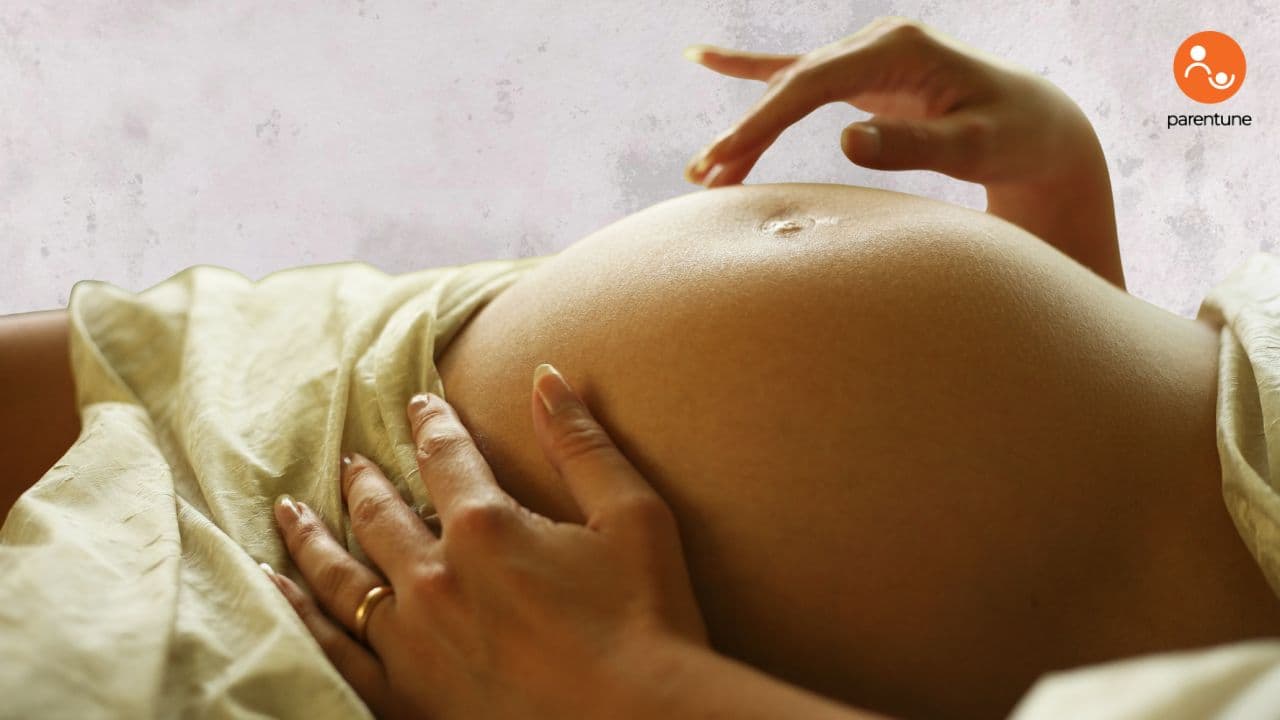
Quickening is the first time you feel your baby move.
It’s not necessarily a “kick” in the classic sense. It might feel more like:
-
Butterflies
-
Popcorn popping
-
A flick beneath your skin
It matters because it marks the start of a physical conversation.
One where you are no longer just watching pregnancy happen — you’re feeling it unfold.
You may also like to read:
When Does Quickening Usually Start?
Here’s the general window:
Between 16 to 25 weeks.
But it’s not a one-size-fits-all moment.
1. First-time moms usually feel it later.
Most first pregnancies detect movement closer to 20–22 weeks. Why? You’re still learning to distinguish baby kicks from digestion, gas, and the dozens of odd sensations pregnancy brings.
2. Second-time moms feel it earlier.
If this isn’t your first baby, you might pick it up around 16–18 weeks. You already know the difference between a grumble and a jab.
3. Placenta position plays a role.
If you have an anterior placenta (in the front), those early kicks may be muffled — like trying to hear someone knock through a thick wall. It’s common, and not a sign of anything wrong.
How Do These Kicks Change Over Time?
Baby movement follows a rhythm. A timeline. And like every good story, it builds.
Weeks 16–20: The Whisper Stage
-
Flutters, bubbles, soft swishes
-
Happens sporadically
-
You second-guess if it even happened
This is the beginning of awareness — subtle and almost sacred.
Weeks 21–25: The Recognition Phase
-
Movements become more distinct
-
You can tell a kick from a roll
-
Your partner might even feel it too
By now, you're tuning into patterns. Times of day when baby’s more active. Foods that trigger more movement. (Yes, that mango milkshake was a party invite.)
Weeks 26–32: The Dance Begins
-
Strong kicks, visible from the outside
-
Rhythmic movement—stretching, hiccups, rolls
-
You may start tracking “kick counts”
This is the golden window of activity. Your baby is big enough to be felt, but still has enough room to move freely.
Weeks 33–40: The Slow Turn
-
Less dramatic kicks, more nudges and stretches
-
Movement slows in frequency but not in presence
-
You feel pressure — not just motion
It’s not that your baby is less active. There’s just less room for gymnastics. Think yoga poses over somersaults.
Also read:
When Should You Start Kick Counting?
Kick counting is less about quantity, more about knowing your baby’s rhythm.
Start counting daily from around 28 weeks.
Pick a time when baby is typically active — post-meal or evening, for example.
Here’s a simple method:
-
Lie on your left side or sit with your feet up.
-
Count how long it takes to feel 10 movements.
-
Most babies reach 10 within 2 hours.
But most will do it in 30 minutes or less.
The key? Consistency.
You’re looking for what’s normal for your baby, not someone else’s.
What If You Don’t Feel Any Movement Yet?
Pause. Breathe. And remember this:
Not feeling kicks by 20 weeks — especially in a first pregnancy — is still within the range of normal.
But if you’re 24 weeks or beyond, and still haven’t felt anything?
Talk to your doctor. They may do a scan or check on baby's heartbeat for reassurance.
What If Baby’s Movements Suddenly Decrease?
This is the one time to overreact rather than underreact.
A noticeable drop in activity — especially during your baby’s most active hours — should be shared with your OB.
It doesn’t always mean something’s wrong, but it can be an early sign of distress.
Trust your instincts.
You know your baby better than anyone else.
What Do Baby Kicks Actually Mean About Health?
They’re more than a cute milestone.
-
They reflect neurological development
-
They indicate muscle tone
-
They’re an indirect sign of oxygen and blood flow
In fact, reduced movement can be an early flag of fetal compromise — which is why listening to your gut (or belly, in this case) is so important.
From Movement to Bonding — Why These Kicks Stay With You
Every parent remembers where they were the first time it happened.
Maybe it was while watching late-night TV. Or walking back from the store. Or during a team Zoom call when you froze — mid-sentence — hand instinctively on belly, eyes wide.
That kick is more than movement. It's a memory.
It’s a before and after moment. The day you stopped just being pregnant and started relating to your child.
Cow Milk Vs Buffalo Milk: Which Is Better In Pregnancy? Click to know
What Parents Are Saying on Parentune
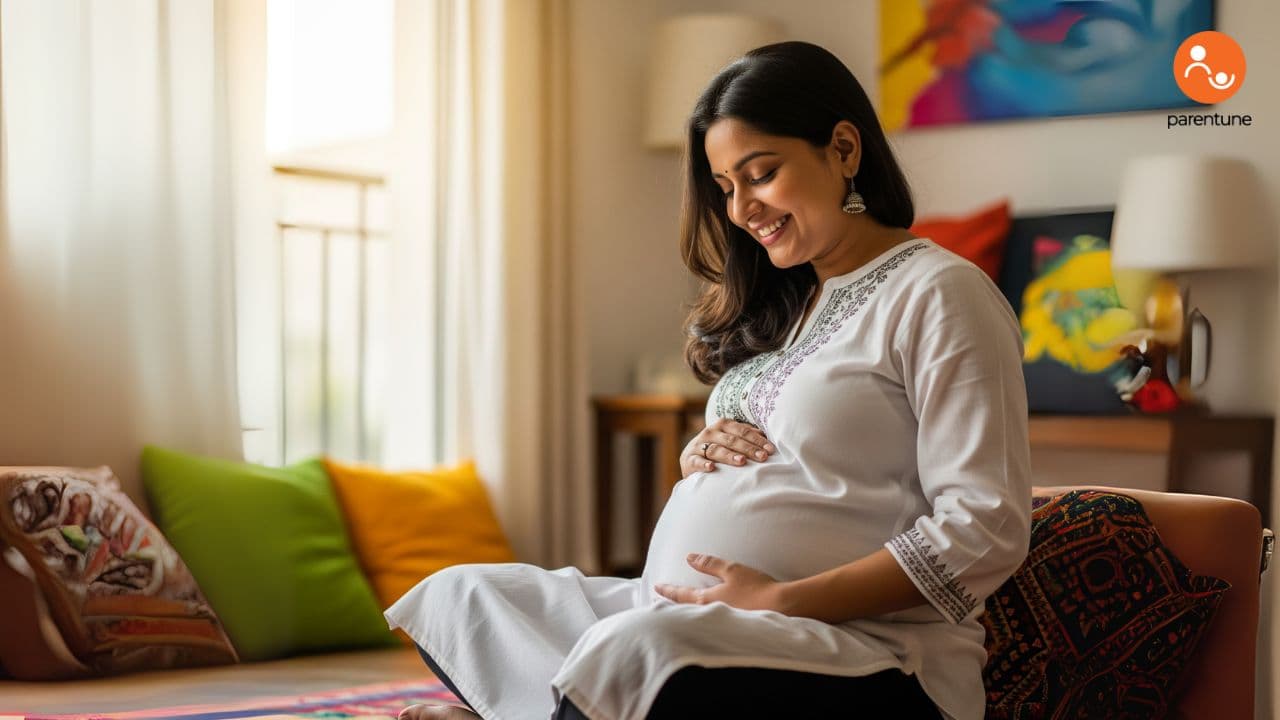
Many moms on Parentune’s pregnancy forums describe baby kicks as their daily reassurance.
A check-in that doesn’t need words.
“It felt like little air bubbles at first. I was 19 weeks old. Now at 30 weeks, the baby kicks when I eat something sweet!” — Tanvi, Mumbai
“My baby’s active around 10 p.m. every night. Like clockwork. It’s my favorite part of the day.” — Anjali, Delhi
This kind of community storytelling is what makes Parentune different.
Because it’s not just advice. It’s lived experience — verified by experts, validated by peers.
The Real Timeline Isn’t on a Chart — It’s in Your Body
Every pregnancy has its own tempo.
Some babies are early dancers. Others take their time to warm up.
Don’t compare. Don’t stress-scroll.
Tune in instead. Listen. Wait. Respond.
Because this isn’t just about counting kicks.
It’s about learning how to listen to a person you haven’t met yet — but already love.
One Last Thought
The baby kicking timeline isn’t just biology.
It’s biology as communication.
A gentle language that starts with movement, and eventually becomes the rhythm of your parenting.
Start listening now.
Because those kicks are just the beginning.
Explore more real stories, expert guides, and solidarity from fellow parents at Parentune.com — where every question is met with empathy, not judgment.
Your All-In-One Baby Toolkit
Monitor milestones, growth, and discover unique baby names easily



Be the first to support
Be the first to share