pregnancy-by-week
Raspberry Leaf Tea In Pregnancy: Timing, Benefits, And The Truth About The Risks
14071720102156.png&w=64&q=75)


Published: 11 Jul 2025
Is a cup of raspberry leaf tea just a soothing ritual—or something more powerful during pregnancy?
It looks innocent enough.
A steaming mug of herbal tea. A quiet moment in the whirlwind of pregnancy. But raspberry leaf tea isn’t just another pregnancy craving or calming caffeine-free brew.
For generations, midwives and mothers alike have sworn by its ability to “strengthen the uterus,” “prepare for labor,” and even “shorten delivery.”
But the real question isn’t what it promises.
It’s when, how much, and is it safe for you?
Let’s unpack the tradition, the science, and the nuance. Because with pregnancy, context is everything.
What Is Raspberry Leaf Tea, Really?
It’s not made from raspberries.
Let’s clear that up right away.
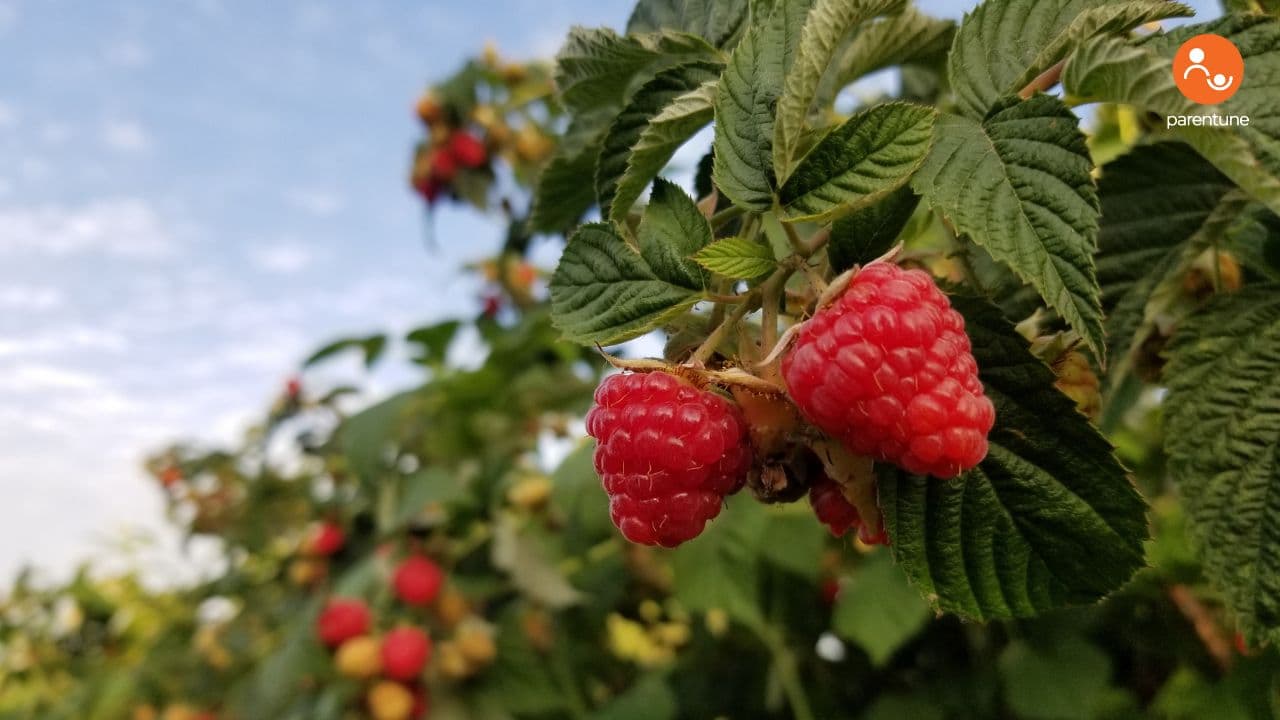
Raspberry leaf tea is made from the leaves of the red raspberry plant (Rubus idaeus), not the fruit. These leaves have been used for centuries in traditional medicine—particularly for women’s reproductive health.
The key claim?
It tones the uterus, making contractions more efficient during labor.
But folklore isn’t the same as fact. And in pregnancy, you need both evidence and experience to guide your choices.
Why Do So Many Expecting Moms Turn to Raspberry Leaf Tea?
Because it feels empowering.
When so much of pregnancy is about surrender—body, schedule, sleep—it’s natural to want to do something that feels proactive.
Raspberry leaf tea carries that vibe. Like a quiet vote of confidence in your own strength.
And yes, there’s some research that backs it up:
-
A 1999 Australian study found that women who drank raspberry leaf tea had shorter second stages of labor and were less likely to need forceps.
-
The leaves are high in fragrine, a compound thought to tone the pelvic muscles and uterine wall.
-
They also contain vitamins and minerals like iron, calcium, magnesium, and B vitamins—important in late pregnancy.
But here’s the catch:
It’s all about timing.
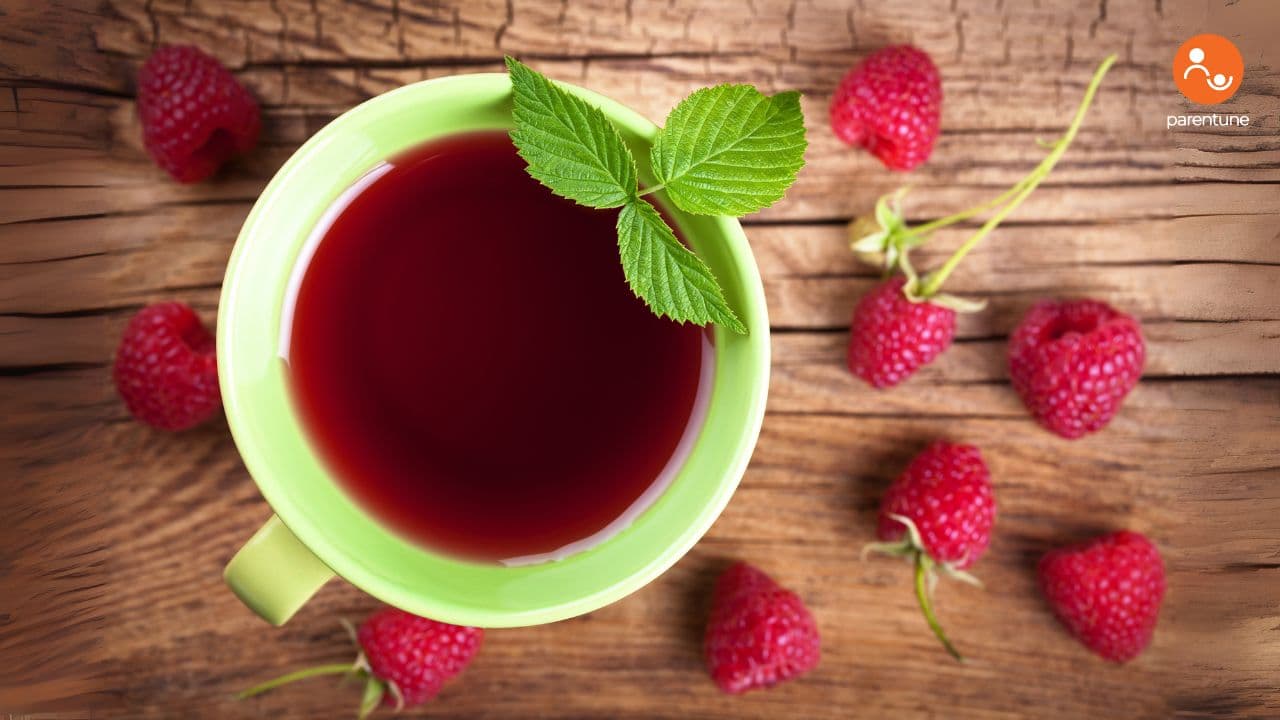
When Should You Start Drinking Raspberry Leaf Tea During Pregnancy?
Not in the first trimester.
That’s the most consistent advice from midwives, OB-GYNs, and herbalists alike. Here’s how the timing usually breaks down:
First Trimester (0–12 weeks):
-
Avoid raspberry leaf tea completely.
-
The uterus is still establishing its foothold, and the tea’s toning effects could (in theory) increase the risk of early contractions or miscarriage.
Second Trimester (13–27 weeks):
-
Still not recommended for most.
-
Some practitioners may allow it in small amounts after 26 weeks, but caution is still the rule.
Third Trimester (28+ weeks):
-
This is when it enters the conversation.
-
Many midwives suggest starting around 32 weeks, beginning with 1 cup per day.
-
Gradually increase to 2–3 cups daily by 36–37 weeks, if well tolerated.
The idea?
Build strength in the uterine muscles in the final weeks—not rush the start of labor.
Who Should Avoid Raspberry Leaf Tea Altogether?
Even in late pregnancy, raspberry leaf tea isn’t for everyone.
Avoid it—or talk to your healthcare provider first—if:
-
You’ve had preterm labor or signs of early contractions
-
You’re carrying multiples (twins, triplets)
-
You have a history of uterine surgery or C-section
-
You’re on medications that interact with herbs (blood thinners, antidepressants)
-
You have placenta previa, high blood pressure, or gestational diabetes
Here’s the principle:
What tones for one uterus may trigger another.
Every pregnancy is different. And support, not pressure, should guide your decisions.
Also worth reading
Common Pregnancy Complications to Watch-Out
What Are the Potential Benefits?
Let’s not forget what draws so many pregnant people to raspberry leaf tea in the first place.
Here’s what the anecdotal evidence—and some small studies—suggest:
-
Tones the uterus
Helps prepare the uterine muscles for labor, potentially leading to more efficient contractions. -
Shortens second stage of labor
Some women report pushing for less time. -
Reduces interventions
Forceps, vacuum delivery, and even unplanned cesareans may be less common. -
Improves postpartum recovery
Faster uterine involution (returning to pre-pregnancy size) is another potential plus. -
Eases menstrual cramps postpartum
Once your period returns, the tea’s muscle-relaxing properties may continue to help.
It’s not magic.
But it can be one part of a mindful, well-supported birth plan.
What Are the Risks and Side Effects?
Just because something is natural doesn’t mean it’s harmless.
Here’s what to watch for:
-
Mild nausea or loose stools when starting
-
Braxton Hicks intensifying
-
Allergic reactions (especially if you’re allergic to berries)
-
Blood sugar fluctuations (though rare)
And again:
Avoid in early pregnancy unless advised otherwise by a trusted healthcare professional.
Moderation beats overconfidence. Especially when two lives are involved.
Also Read:
So, Should You Try It?
Here’s how to think about it, like any other choice in pregnancy:
One option:
Skip raspberry leaf tea altogether. Trust your body, your support team, and modern obstetrics. Many women do just that and have smooth labors.
Second option:
Add it to your third-trimester routine, slowly and mindfully, in consultation with your doctor or midwife.
Third option:
Use it alongside other gentle prep tools—prenatal yoga, pelvic floor therapy, birth education, mindfulness.
The best birth plan isn’t rigid. It’s responsive.
And it works best when it’s built on both community wisdom and clinical insight.
Where Community Meets Credibility
This is exactly the kind of question that drives so many first-time moms to Parentune.
Not just “What should I do?”
But “What worked for others like me?”
The truth is, the power of raspberry leaf tea doesn’t just lie in what’s in the cup.
It lies in the context.
In the community stories, the shared experiments, the gentle advice passed from one mom to another.
That’s what Parentune exists for—helping you navigate decisions not in isolation, but as part of a tribe of informed, real-world-tested parents.
The Bottom Line
Raspberry leaf tea isn’t a shortcut to an easy labor.
It’s a tool. One with tradition, with some science, and with real-world advocates.
But like every tool in pregnancy, its value depends on how and when you use it.
Choose wisely. Start slow. And listen to both your body and your community.
Because in the end, support is the strongest tonic of all.
Want more evidence-backed support like this? Join the Parentune community—where expert advice meets lived experience.
Your All-In-One Baby Toolkit
Monitor milestones, growth, and discover unique baby names easily




Be the first to support
Be the first to share