daily-tips
When Should You Start A Bedtime Routine For Your Baby? Expert Advice That Actually Works
14071720102156.png&w=64&q=75)


Published: 23/07/25
Updated: 23/07/25
The bedtime battlefield isn’t about sleep—it’s about rhythm
You’ve fed your baby, rocked them gently, dimmed the lights.
And just when you think they’re finally drifting off…
They’re wide awake again. Kicking. Crying. Staring at you like it’s party time.
The question isn’t whether babies need a bedtime routine. The real question is: When does it start mattering?
Let’s break it down—not with theories, but with real-world rhythms.
Doctor Q&As from Parents like you
What Is a Bedtime Routine—and Why Does It Work So Well?
Babies aren’t born knowing day from night
Newborns operate on instincts, not clocks. They sleep when tired, feed when hungry, and cry when uncomfortable.
But over time, their brains begin searching for patterns—and this is where a bedtime routine becomes powerful.
A good routine is a cue system. Not a command.
Think of it like Pavlov’s bell, but with warm baths and lullabies. The same sequence of events—done in the same order—tells your baby: “Hey, it’s wind-down time.”
-
Dim lights cue melatonin
-
Soft sounds calm the nervous system
-
Repetition builds predictability
Predictability is safety for a baby still making sense of the world.
You May Also Like:
When Should You Start a Bedtime Routine?
Short answer: Around 6 to 8 weeks. But that’s just the surface.
Most experts, including pediatric sleep specialists, suggest starting between 6 to 8 weeks—not because babies suddenly “get it” then, but because that’s when patterns start forming beneath the surface.
Here’s how it typically evolves:
-
0–6 Weeks: Survival mode. No routine necessary. Feed-sleep cycles rule.
-
6–12 Weeks: Baby’s circadian rhythm starts maturing. Routine becomes useful.
-
3–4 Months: Sleep associations begin to hardwire. Routines start working.
Starting too early? Feels like a chore.
Starting too late? Feels like a rescue mission.
What Should a Baby Bedtime Routine Include?
Keep it simple. Keep it short. Keep it consistent.
A routine doesn’t mean lavender oils and Mozart playlists (unless that’s your thing). What matters is signal + sequence.
Here’s a 20–30 minute structure that works for most babies:
-
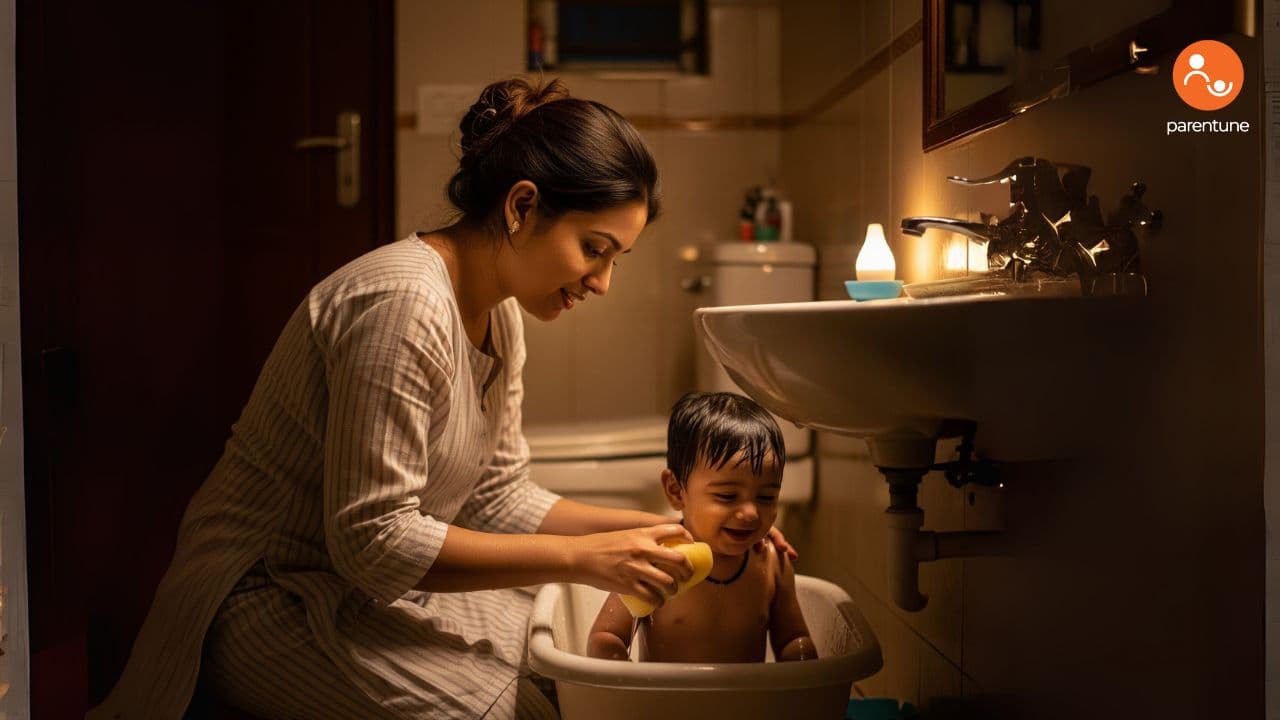
Bath or sponge wipe – Signals a shift from daytime
-
Dim lighting – Triggers sleep hormones
-
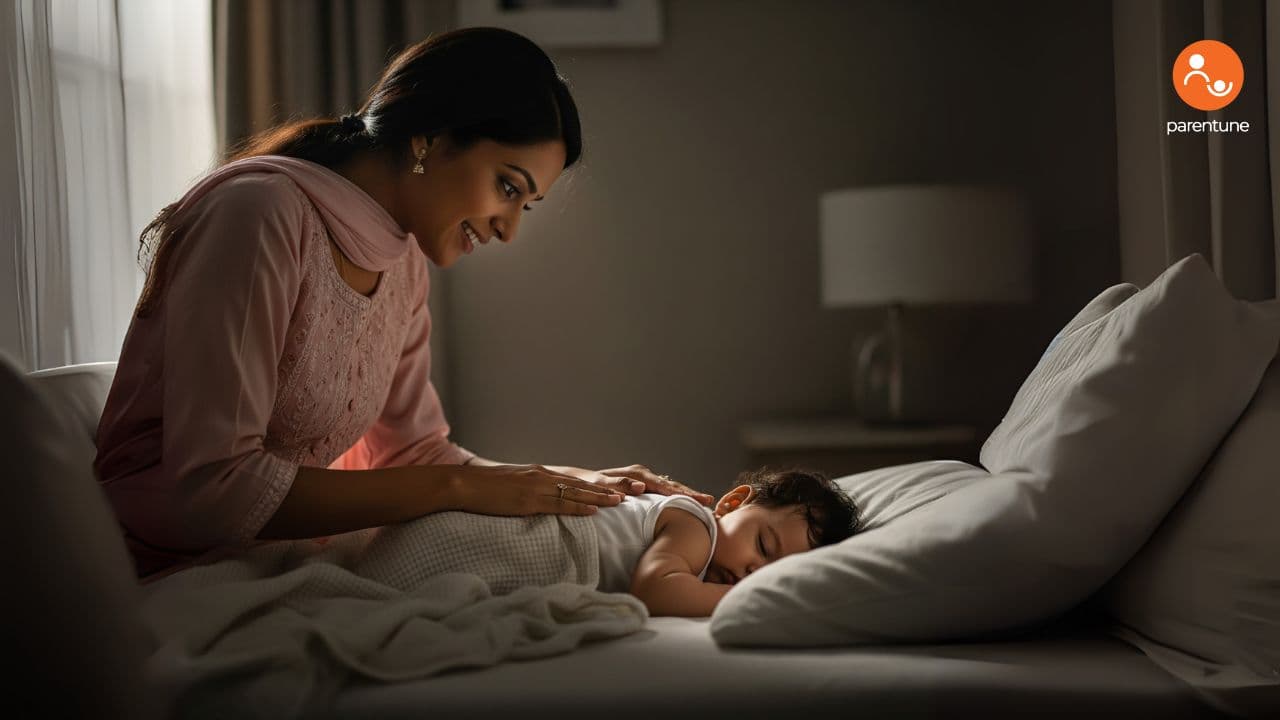
Gentle massage – Calms the body and deepens bonding
-
Change into pajamas – Another visual cue
-
Feeding – Tops off the tank
-
Storytime or lullaby – Wind-down cue
-
Cuddle and crib – End with reassurance
The exact activities? Your call.
The order and consistency? Non-negotiable.
Why So Many Parents Struggle to Stick With It
Routines break down when they're built around perfection
You don’t need to “do it all” every night. You just need to do enough to signal bedtime.
But here's where things often go sideways:
-
One night you skip the story
-
The next night baby naps too late
-
A relative visits and throws off the rhythm
Bedtime routines don’t need to be rigid. They need to be resilient.
So instead of thinking “perfect night,” think “predictable pattern.”
Even 3–4 consistent steps, done in a predictable order, is enough to anchor your baby’s sleep.
But What If My Baby Doesn’t Sleep Anyway?
A routine is a signal, not a switch.
It tells the body what to expect. But it doesn’t force sleep.
Especially in the early months, your baby’s body may not be ready to sleep on cue. That’s normal.
Here’s what a solid routine still gives you:
-
A calmer transition to sleep
-
Less resistance at bedtime
-
Fewer wake-ups due to overstimulation
-
Stronger sleep habits down the line
So even if it “doesn’t work” right away—it’s working under the surface.
Parent-Tested Hacks That Make Routines Stick
Build the routine around your baby’s natural sleepy window—not your ideal clock.
Watch for signs like:
-
Slower movements
-
Rubbing eyes
-
Looking away or zoning out
Then begin the routine before they’re overtired. Timing is everything.
Here are a few real-world strategies:
-
Use a bedtime song – The same 30-second tune each night = instant cue
-
Try a scent anchor – Lightly use the same lotion or fabric smell near bedtime
-
Dim the house 30 minutes before sleep – not just the baby’s room
-
Pick one “always” step – No matter what else changes, do this one thing (like a lullaby or cuddle)
Think of it like brushing your teeth—not negotiable, even if the rest of the day is chaos.

How Parentune Parents Make It Work
You're not doing this alone—and you don’t have to figure it out from scratch.
Thousands of parents on Parentune share what worked (and what failed) in real life—because advice without community is just theory.
One mom found her routine collapsed every time her baby teethed. Another realized her baby only settled if dad did the bedtime song.
These aren’t hacks—they’re adaptive systems. And they work better when shared.
Parentune brings that shared intelligence into your hands, with:
-
Expert-led sleep advice
-
Real parent hacks, updated daily
-
Supportive answers during the midnight meltdowns
It’s not just about having answers. It’s about feeling understood.
The Bigger Picture: Why Bedtime Routines Are About More Than Sleep
What you repeat shapes who your child becomes.
Bedtime is one of the earliest systems of consistency, safety, and care a baby experiences. Over time, it becomes about more than rest:
-
It builds trust in patterns
-
It teaches regulation through rhythm
-
It anchors connection through repetition
In a world that changes fast, routines offer something rare: a sense of control.
For the baby—and for you.

Final Thought: Start When You’re Ready to Be Consistent
Routines don’t begin with your baby. They begin with you.
So if you’re wondering when to start a bedtime routine?
The honest answer is: Start when you’re ready to show up most nights in the same way.
It’s not about nailing it. It’s about showing up.
Over time, the routine becomes not just a signal to sleep—but a memory you both carry forward.
Night after night.
Pattern by pattern.
That’s how rhythms become relationships.
Be the first to support
Be the first to share