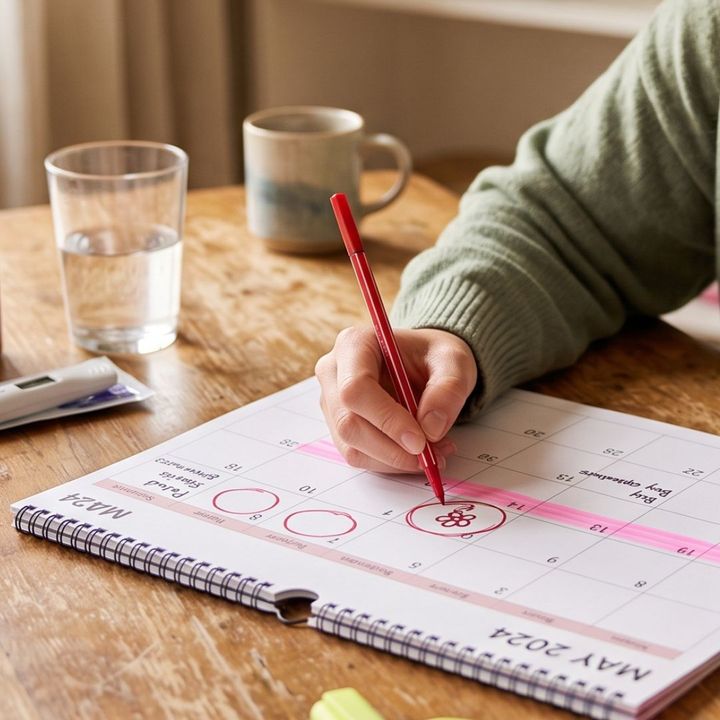
Week 1
Your Journey Begins
Your pregnancy journey officially begins with the first day of your last menstrual period (LMP). You are not pregnant yet, your body is preparing for ovulation and creating the ideal environment for fertilisation.
Week by Week
See exactly how your baby is growing today, what to expect this week, and gentle guidance from doctors and parents who've been there.
The first trimester covers weeks 1 to 12 of pregnancy.
Your pregnancy journey officially begins with the first day of your last menstrual period (LMP). You are not pregnant yet, your body is preparing for ovulation and creating the ideal environment for fertilisation.

Your body continues to prepare for pregnancy and your ovaries get ready to release a mature egg. Around the end of this week, ovulation usually occurs, creating the opportunity for fertilisation if sperm meets the egg.

This week, fertilisation may happen if the egg and sperm meet. The fertilised egg (zygote) will soon implant into the uterine lining. Foundational layers that will become your baby's organs are forming.
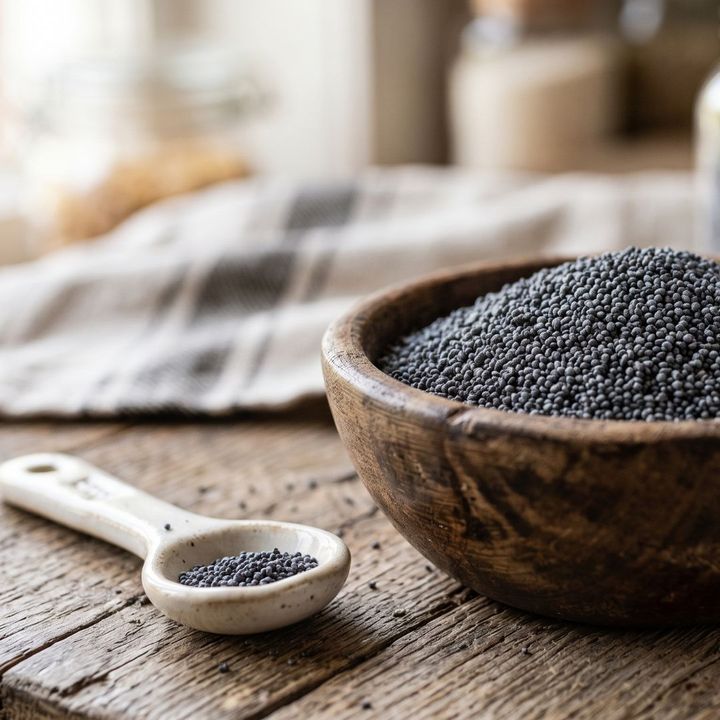
Your baby is about the size of a poppy seed. Their brain, spinal cord, and other important organs are beginning to develop.
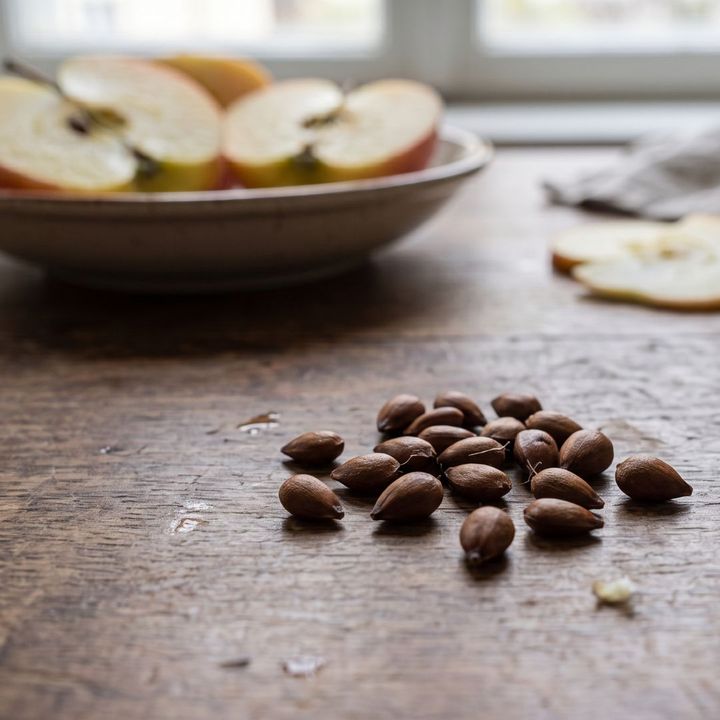
Your baby is about the size of an apple seed. The heart has started to form and is beginning to beat, while the brain, spinal cord, and other organs are developing quickly.
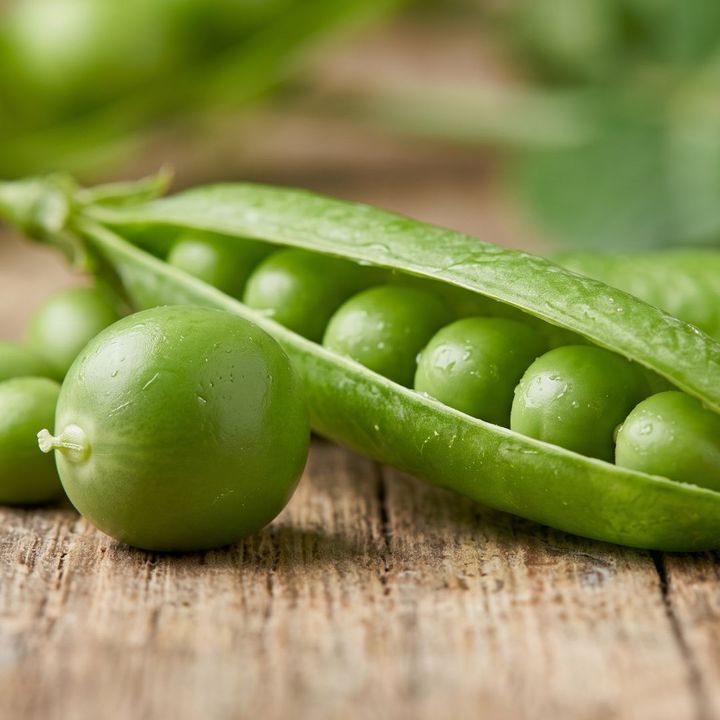
Your baby is about the size of a sweet pea. Small buds that will become the arms and legs are starting to grow, and morning sickness may begin as hCG levels peak.

Your baby is about the size of a blueberry. The brain is growing rapidly, and the eyes, ears, nose, and mouth are beginning to take shape while tiny arm and leg buds continue to develop.
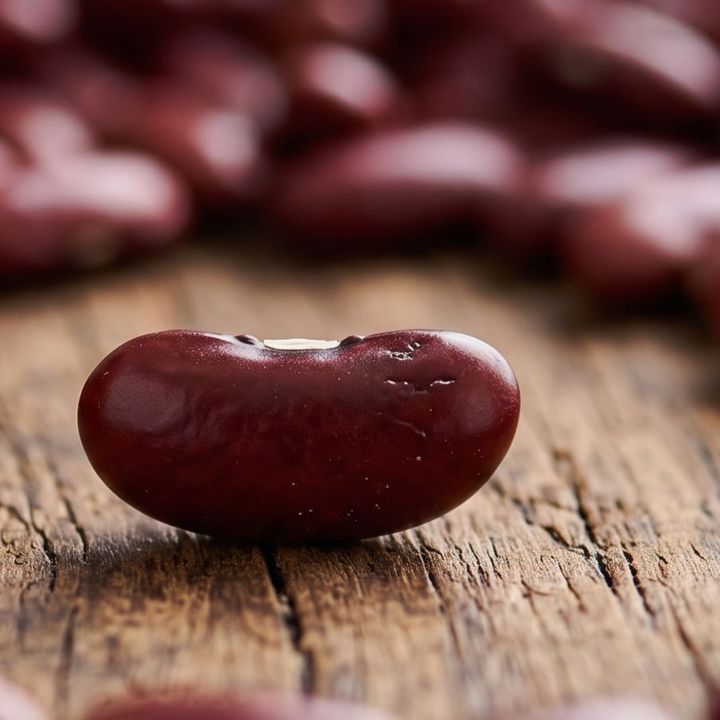
Your baby is about the size of a kidney bean. Tiny fingers and toes are beginning to form, and although you can't feel it yet, small movements have already started.
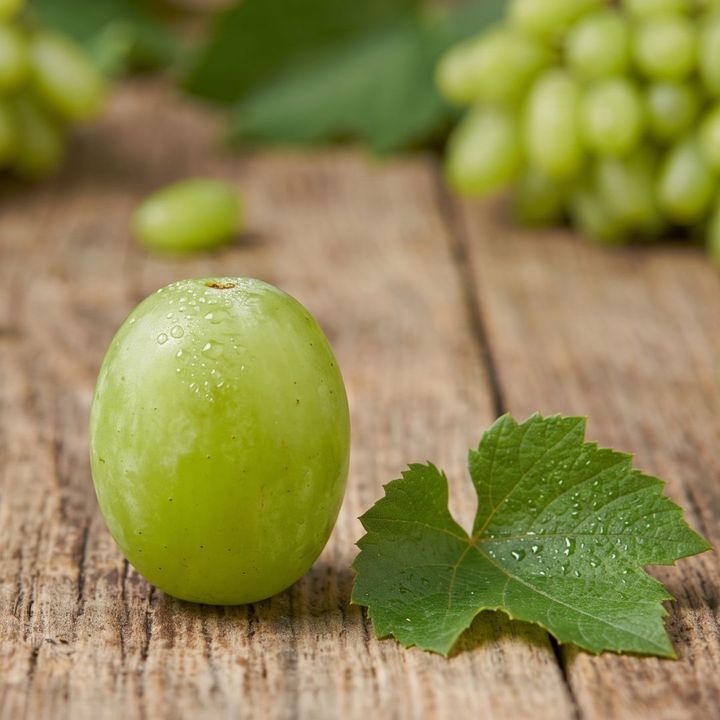
Your baby is about the size of a grape. The face is becoming more defined, while the heart, brain, and other organs continue to grow. Tiny fingers and toes are becoming easier to see, eyelids cover the eyes, and tooth buds appear.
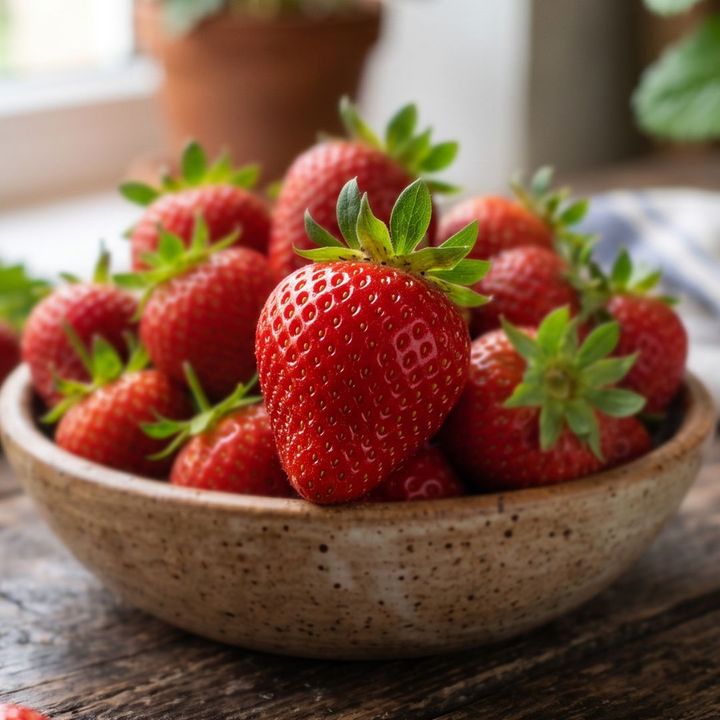
Your baby is about the size of a strawberry. Most of the major organs are formed and starting to work together, and swallowing and kicking have begun.
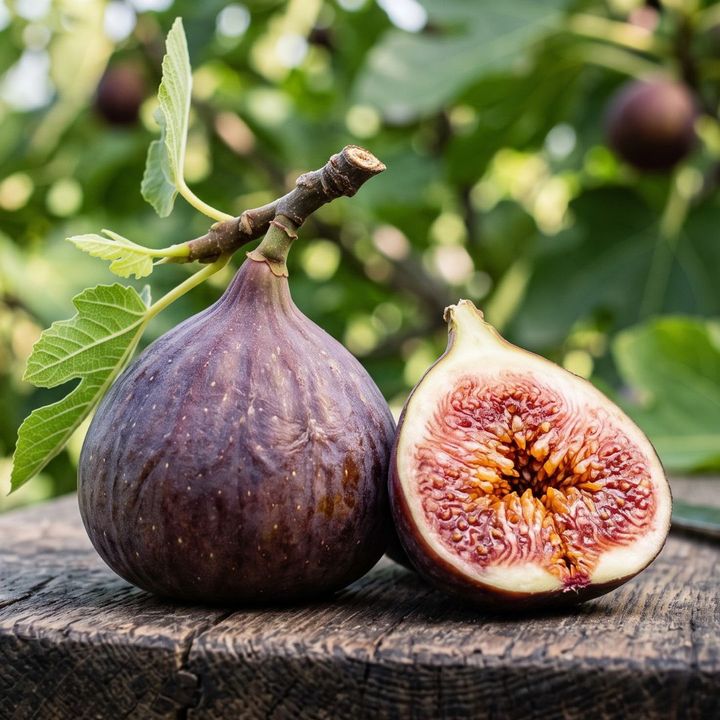
Your baby is about the size of a fig. Fingers and toes are now separated, and at around 4 cm long, the head makes up almost half of the total body length. Movements are still too subtle to feel.
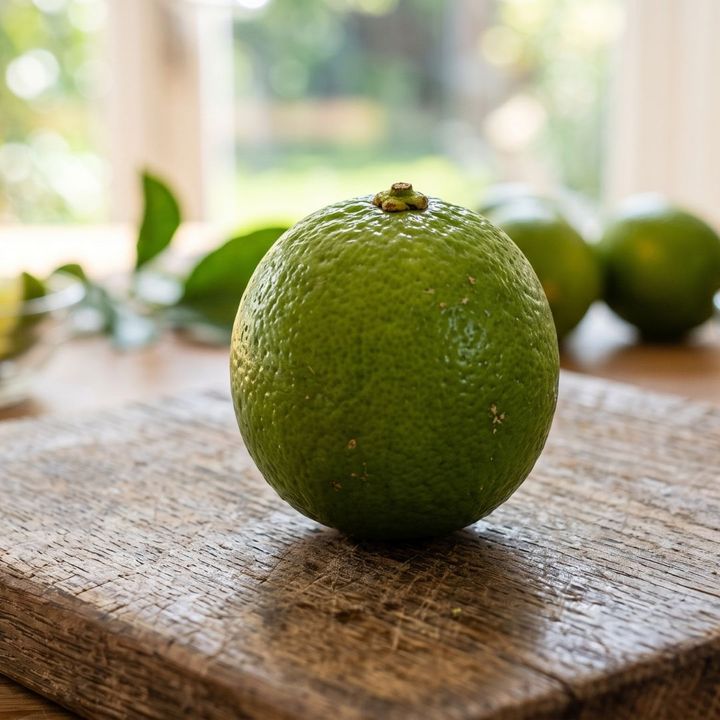
Your baby is about the size of a lime. Most major organs are fully formed and continue to mature, while fingers, toes, and tiny fingernails become more developed. As you complete the first trimester, the risk of miscarriage is lower than in earlier weeks.
The second trimester covers weeks 13 to 26 of pregnancy.
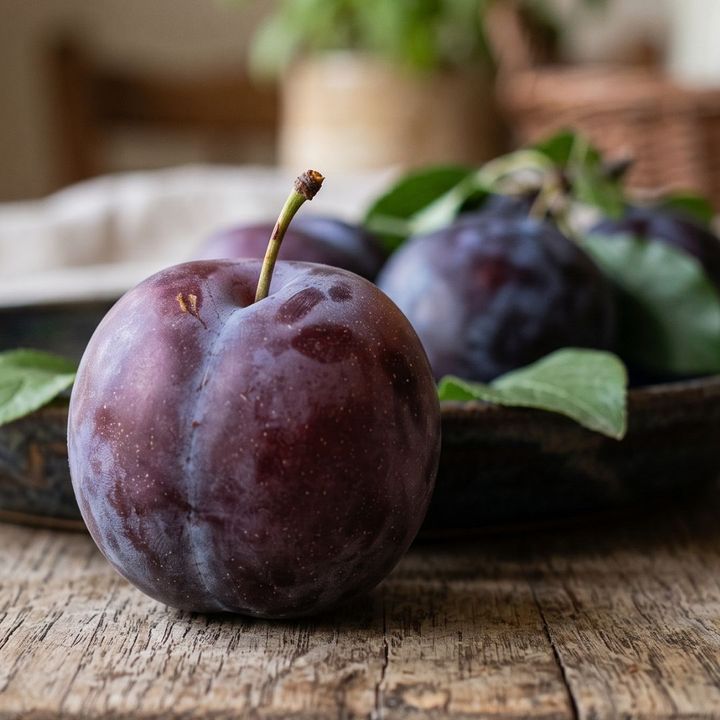
Your baby is about the size of a plum. Fingerprints are beginning to form, and the placenta is taking over more of the hormone support. Movement is still subtle and not yet felt.

Your baby is about the size of a lemon. They can squint, frown, and grimace, while fine hair called lanugo begins to cover the body. Movement is active but usually too gentle to feel.
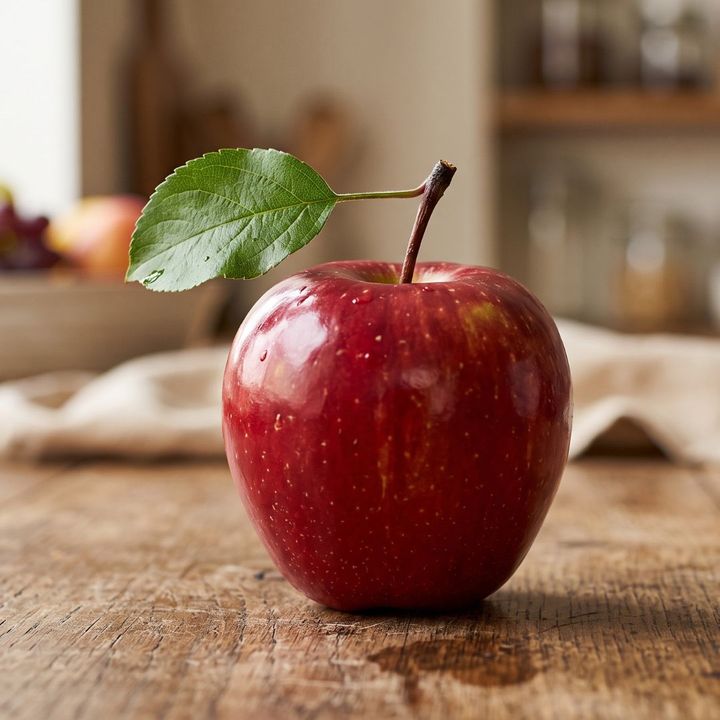
Your baby is about the size of an apple. Bones are beginning to harden, and your little one can sense light and practise breathing motions. Tiny movements continue in the womb.
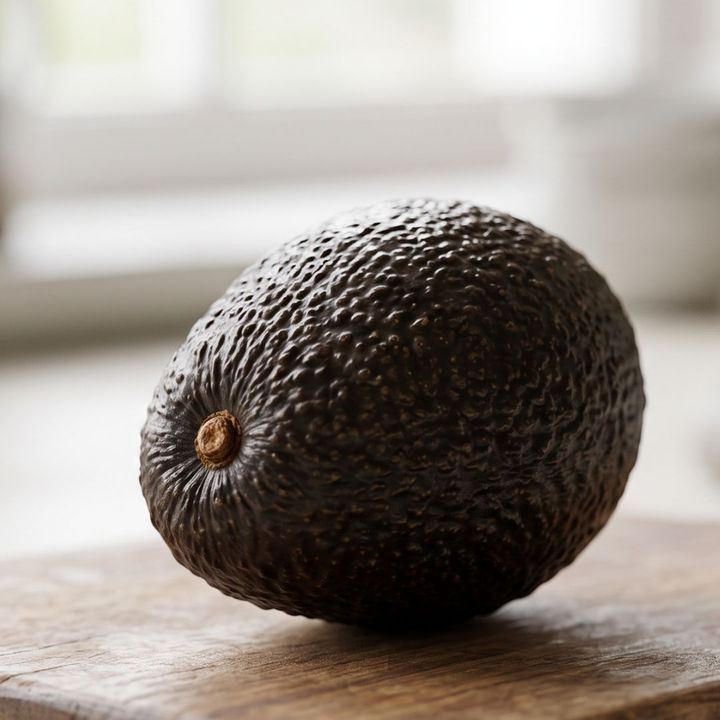
Your baby is about the size of an avocado. You may soon start to feel the first flutters of movement, while the eyes become sensitive to light and the ears continue developing.

Your baby is about the size of a turnip and has started storing fat for warmth and energy after birth. Movement is becoming stronger, and you may notice gentle flutters.
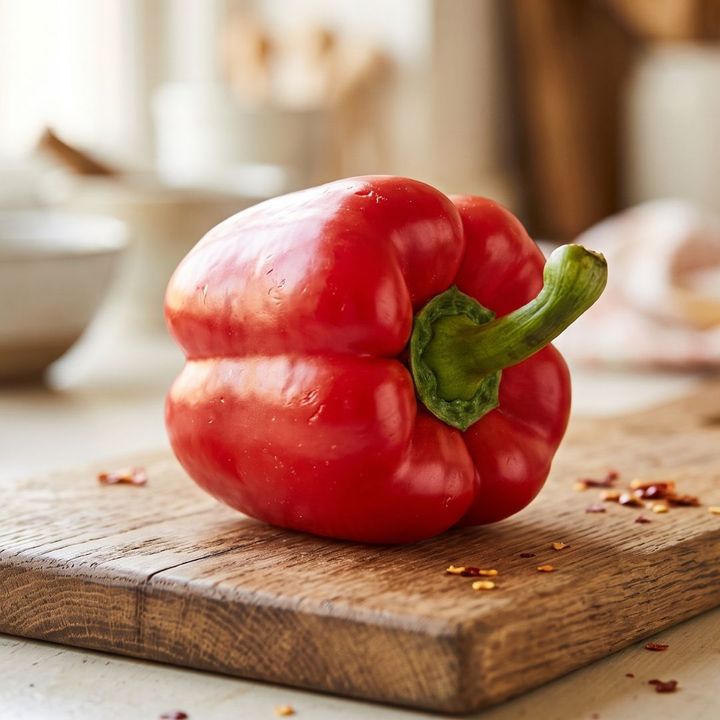
Your baby is about the size of a bell pepper. Yawning, hiccupping, and stretching have begun, and the anatomy scan is often scheduled around this time. Movements may feel like flutters or taps.
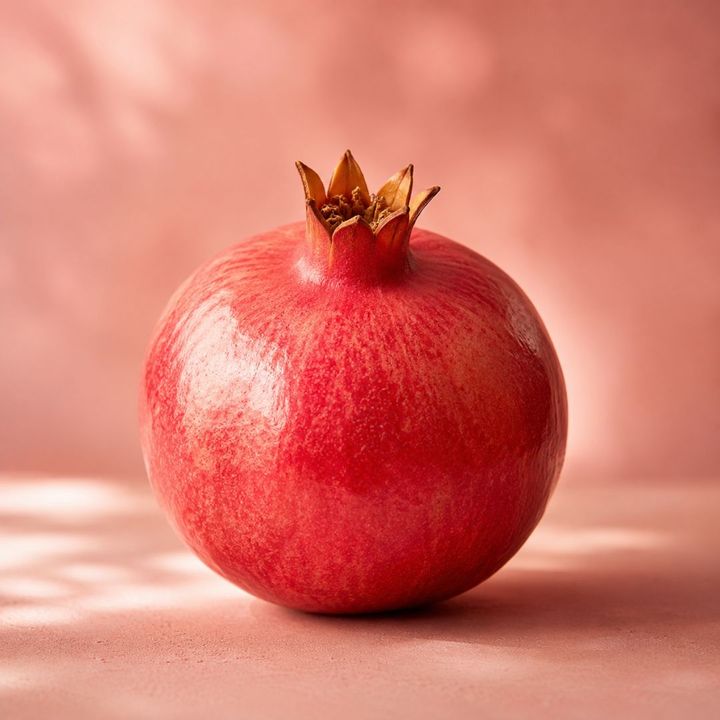
Your baby is about the size of a pomegranate. Areas of the brain responsible for smell, taste, hearing, vision, and touch are developing, and you may notice more regular fluttering movements.
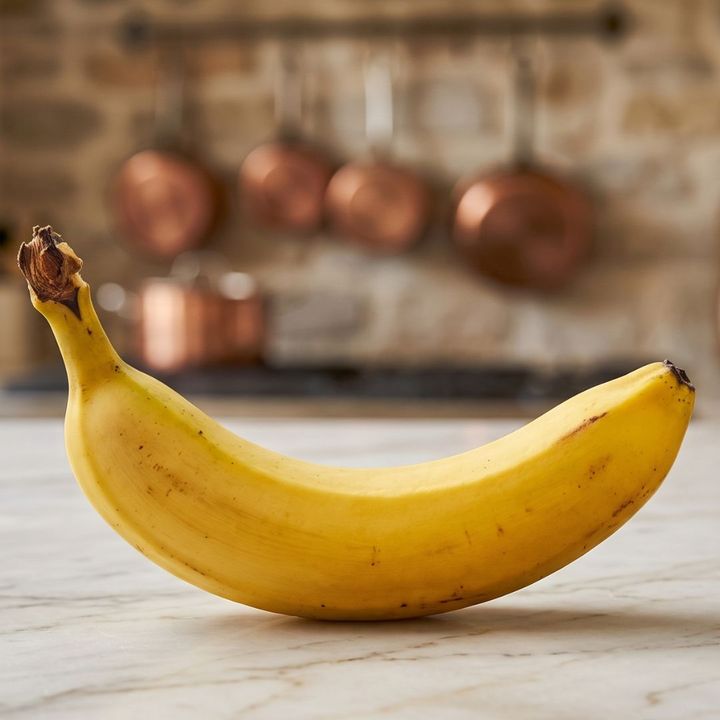
Your baby is about the size of a banana. Having reached the halfway point of pregnancy, kicks and rolls are becoming easier to feel and recognise.
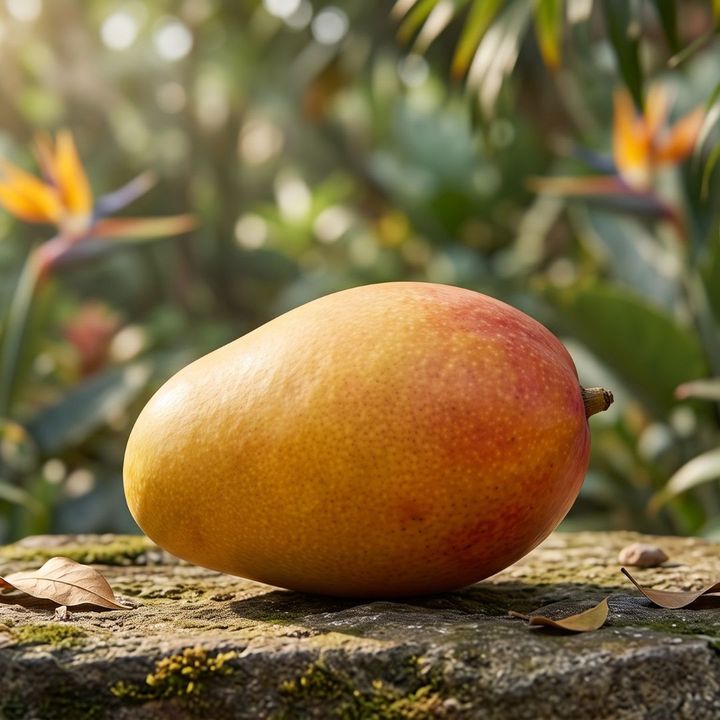
Your baby is about the size of a mango and is gaining weight quickly. Swallowing amniotic fluid helps the digestive system practise, and movements are usually easier to notice now.

Your baby is about the size of a sweet potato. The lips, eyebrows, and eyelids are becoming more distinct, while sleep-wake cycles are becoming more regular. You may feel stronger kicks.
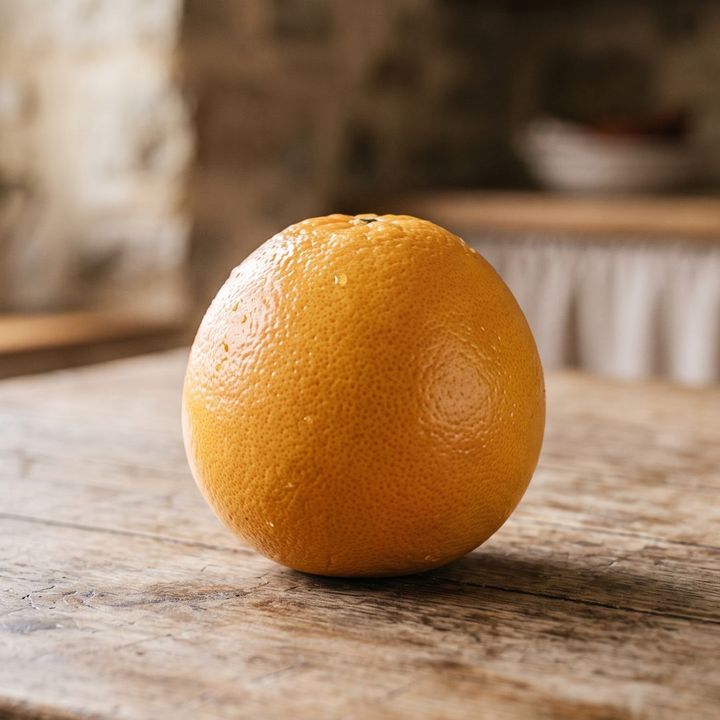
Your baby is about the size of a grapefruit. They can now hear your voice and may react to loud sounds, while kicks, rolls, and stretches become more noticeable.

Your baby is about the size of an ear of corn. This is an important developmental milestone as the lungs continue to mature, and movements are usually more obvious and frequent Keep yourself moisturised at all times. Avoid scratching your tummy as that leads to more stretch marks. While at work or at home while lying down, keep your feet elevated, to avoid swelling. Place a foot stool under your desk if your job requires long hours of sitting.
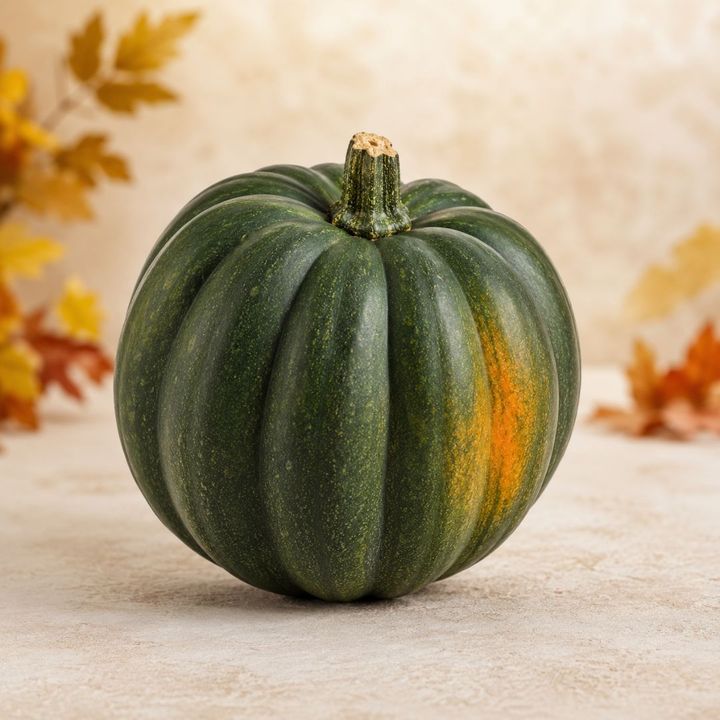
Your baby is about the size of an acorn squash. They may respond to touch and even grab the umbilical cord, while regular kicks, rolls, and hiccup-like movements become common.
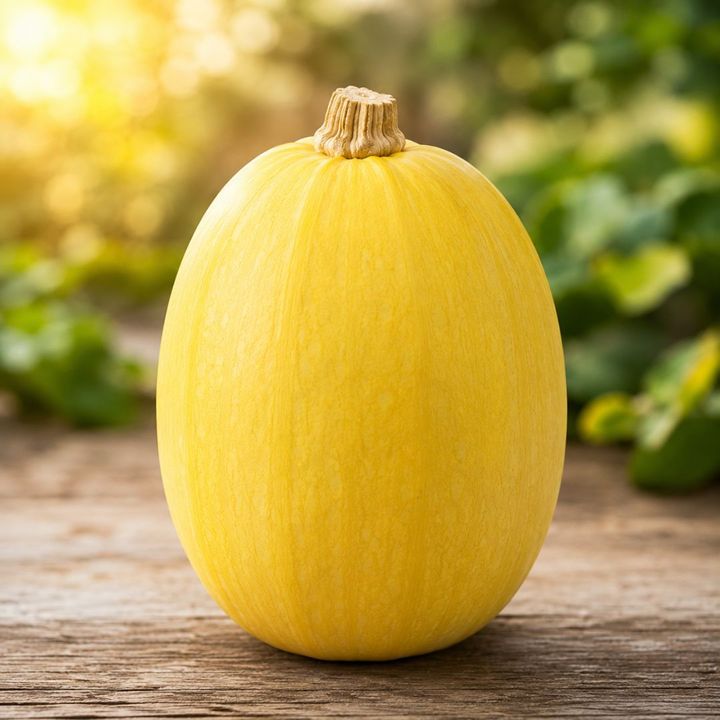
Your baby is about the size of a spaghetti squash. The eyes open for the first time, and brain activity linked to hearing and sight is now detectable. Movements may feel sharp and active.
The third trimester covers weeks 27 to 40 of pregnancy.
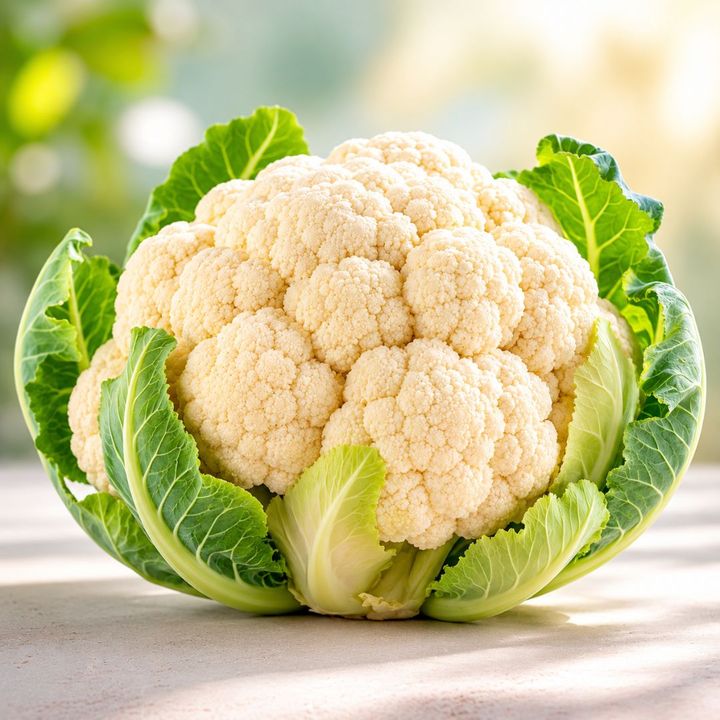
Your baby is about the size of a small cauliflower. Sleep and wake cycles are becoming more regular, and the brain continues to grow rapidly. Movements are often strong and easier to track.
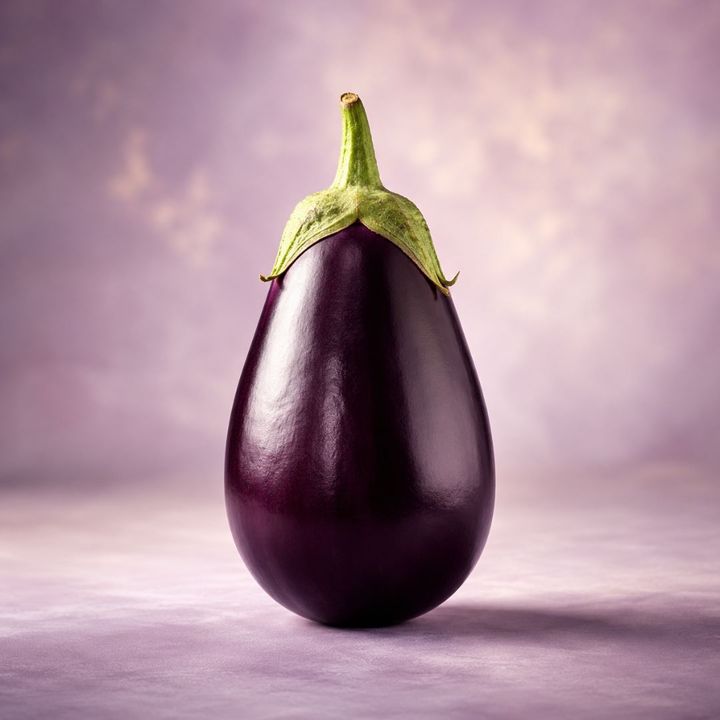
Your baby is about the size of an large eggplant. The brain is developing quickly and can respond more clearly to light and sound. Kicks, jabs, and rolls may feel stronger.
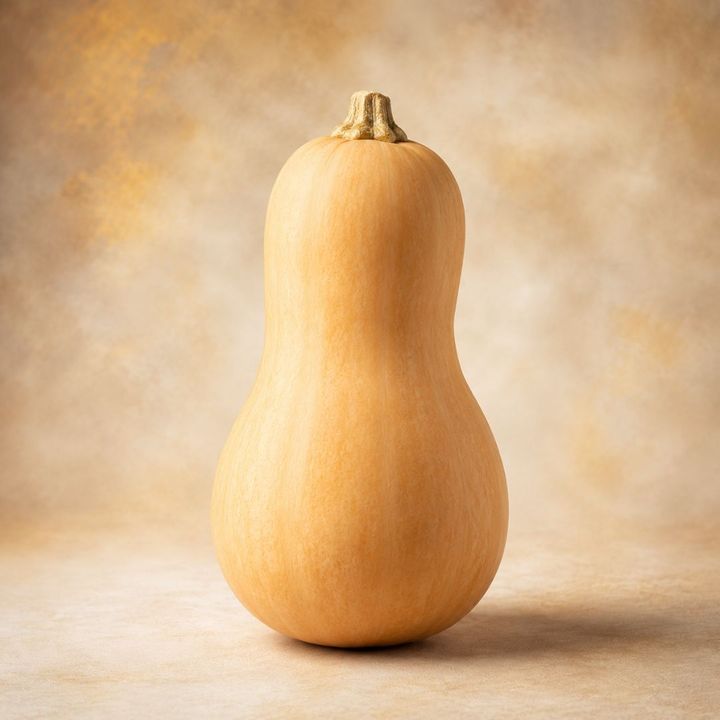
Your baby is about the size of a butternut squash. Muscles and lungs c - Constipation: Natural remedies, such as a high-fibre diet and drinking water throughout the day, may help. Regular exercise can also help relieve constipation, even when you’re not pregnant. - Leg cramps: If you do get a cramp, gently stretch your leg, flexing your foot and pulling your toes back toward you. Stretching throughout the day and just before you go to bed may help too. Make sure you load up on calcium-rich foods like milk, yogurt, paneer etc. Constipation is common during pregnancy and can cause abdominal pain or discomfort, infrequent bowel movements, and hard stools. Eat a high-fibre diet including fruits, vegetables, breakfast cereals, wholegrain breads etc. Add a bit of bran to your regular roti dough to amp up the fibre content. Walking, swimming, and other moderate exercise for 20-30 minutes, three-four times a week can also help stimulate the bowels.
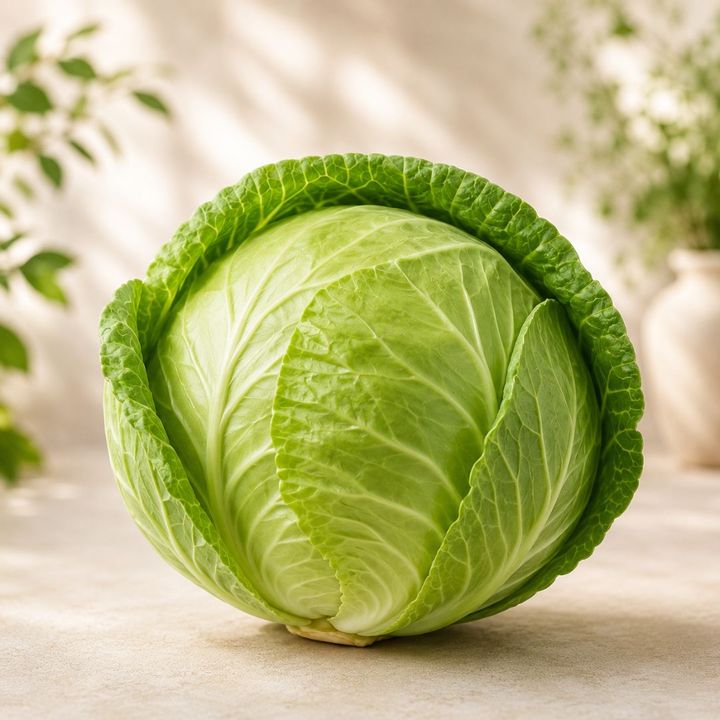
Your baby is about the size of a small cabbage. Eyesight is developing, although vision will still be blurry after birth. Strong kicks and stretches are often easy to feel now.
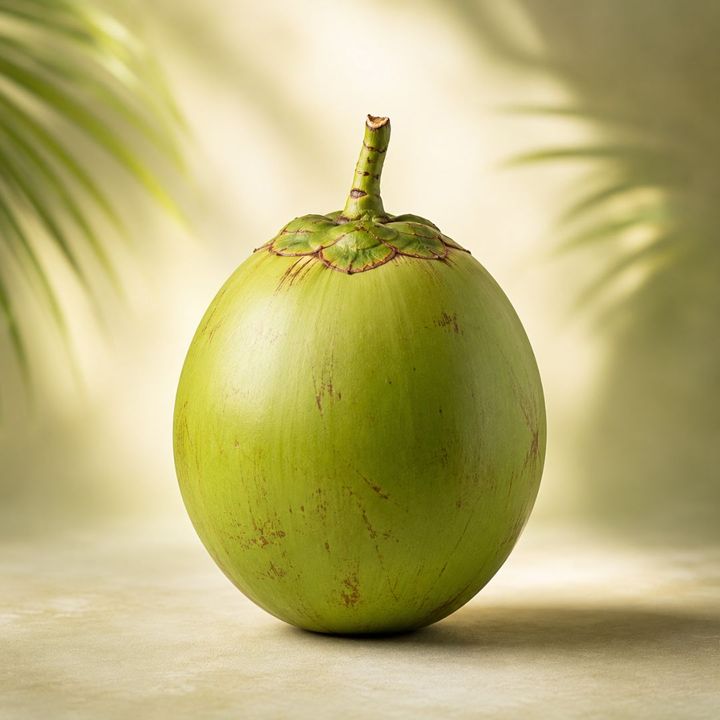
Your baby is about the size of a green coconut. The brain and nervous system are nearing completion, and movements can feel very noticeable.
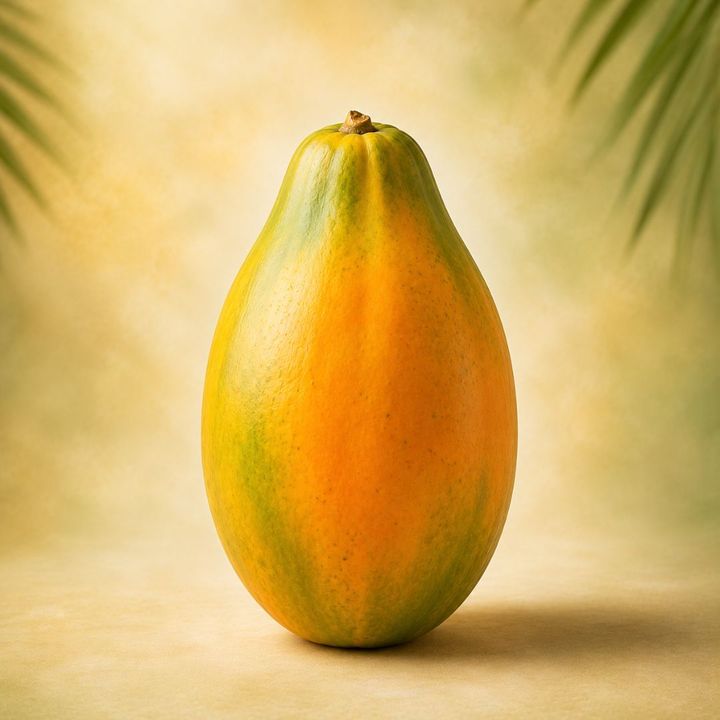
Your baby is about the size of a papaya. Breathing movements are being practised, and fingernails and toenails are now fully grown. Movements may feel tighter as space becomes limited.

Your baby is about the size of a small pineapple. Bones continue hardening, although the skull remains soft to help with delivery. Regular kicks, rolls, and stretches should continue.
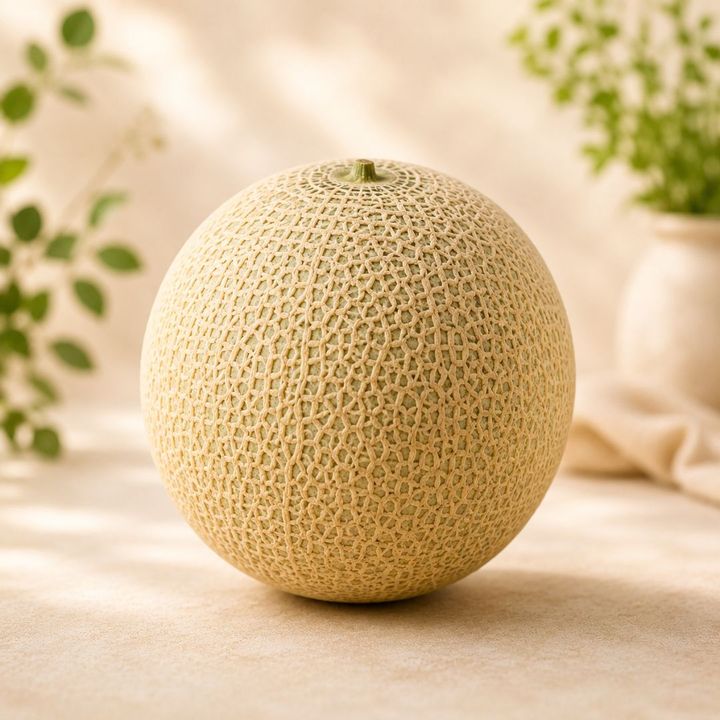
Your baby is about the size of a cantaloupe. The lungs are close to being fully developed, and many babies settle into a head-down position around - Blurry vision: Not only can your vision seem a bit blurry these days, but a decrease in tear production can leave your eyes dry and irritated, especially if you wear contact lenses. Be happy as these changes are all temporary and normal. Things should clear up as your eyes return to normal after delivery. - Belly button: You may have noticed that your belly button has become an ‘outie’ or that it is extremely sensitive. If this is the case, you can take a band-aid to cover it. This is a good time to familiarize yourself with the birthing process. First, visit the labour room of the hospital where you’re planning to give birth. Go ahead and fill out any pre-registration paperwork and talk with your doctor about pain management options like epidural for the big day. And if you have any questions about the delivery itself, make a list and go over them with your doctor. Also start preparing your environment for the baby which may include investing in a baby bed, a feeding pillow, a breast pump (if you have to get back to work), baby clothes, your personal hygiene items etc. Also pack a hospital bag and stow it either in the car, or near the entrance of the door, so you have it with you at all times.
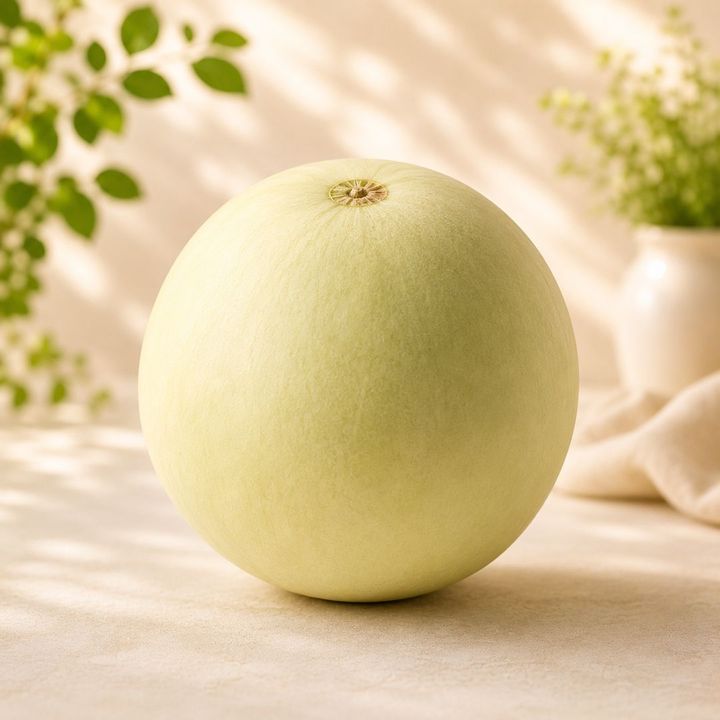
Your baby is about the size of a honeydew melon and is adding weight quickly. The kidneys and liver are working more fully, while movements remain strong despite less room to move.
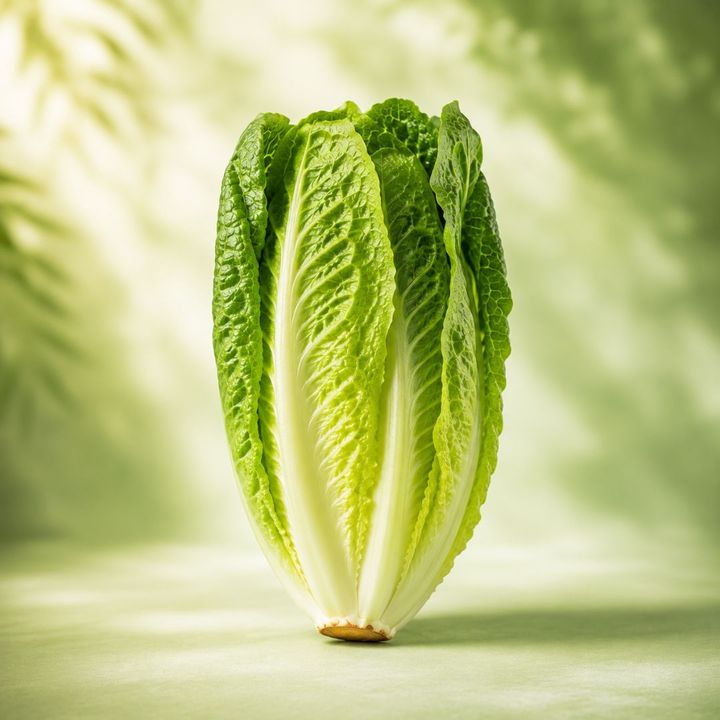
Your baby is about the size of a romaine lettuce. The head may begin to move into the pelvis, and extra fat stores continue to build. Movements may change in pattern but should still be felt every day.

Your baby is about the size of a winter melon. Pregnancy is now considered early term, and all major organs are ready for life outside the womb. Movements may feel lower but should continue.
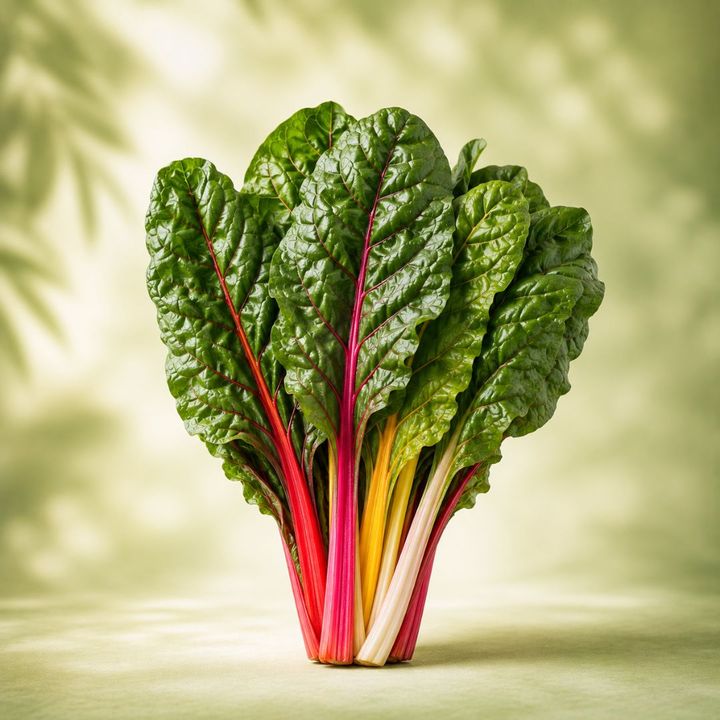
Your baby is about the size of a Swiss chard. Vernix is beginning to shed, while the brain and nervous system continue their final stages of development. Strong movements may still be felt despite limited space.
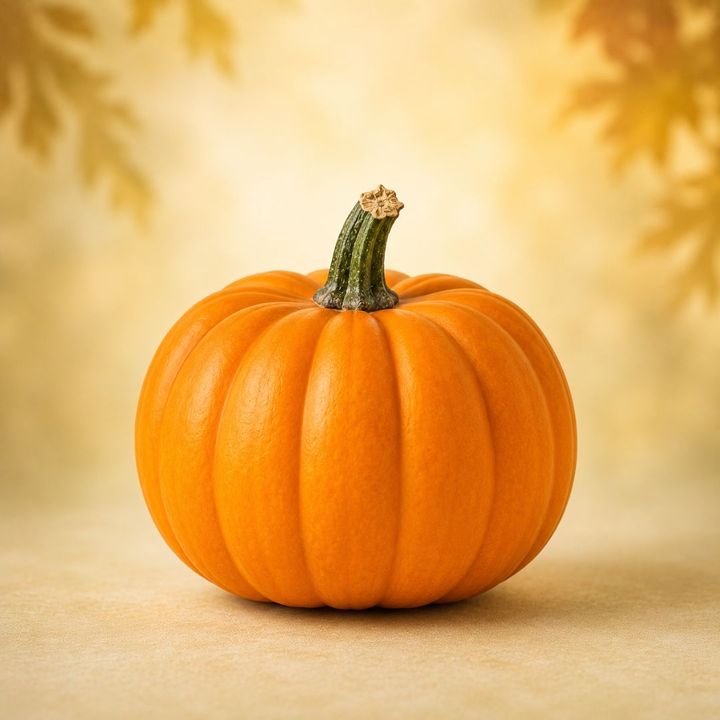
Your baby is about the size of a small pumpkin. Full term and preparing for delivery, meconium—the first stool—is building up in the intestines as birth approaches.


