
Is Your Toddler Eating Enough? Why Three Meals a Day May Not Provide Complete Nutrition

Personalized
Pregnancy & Parenting Advice

Ask
Experts & Doctors
Care
Babycare tips & Live-chats

Search
Babynames & Tools

Dr Chhaya Shah explains how to improve Indian toddler meals, identify nutritional gaps and support healthy growth with balanced foods. Your toddler eats three meals a day, finishes their dal-chawal, enjoys roti with ghee and drinks milk regularly. As a parent, you may feel reassured that your child is eating well. However, a full stomach does not always mean that your toddler is receiving all the nutrients needed for healthy growth and development. Many familiar Indian meals provide carbohydrates and energy, but when the same foods are repeated without enough variety, toddlers may miss essential nutrients such as iron, zinc, protein and certain vitamins. These nutrients play important roles in physical growth, brain development and immune function.
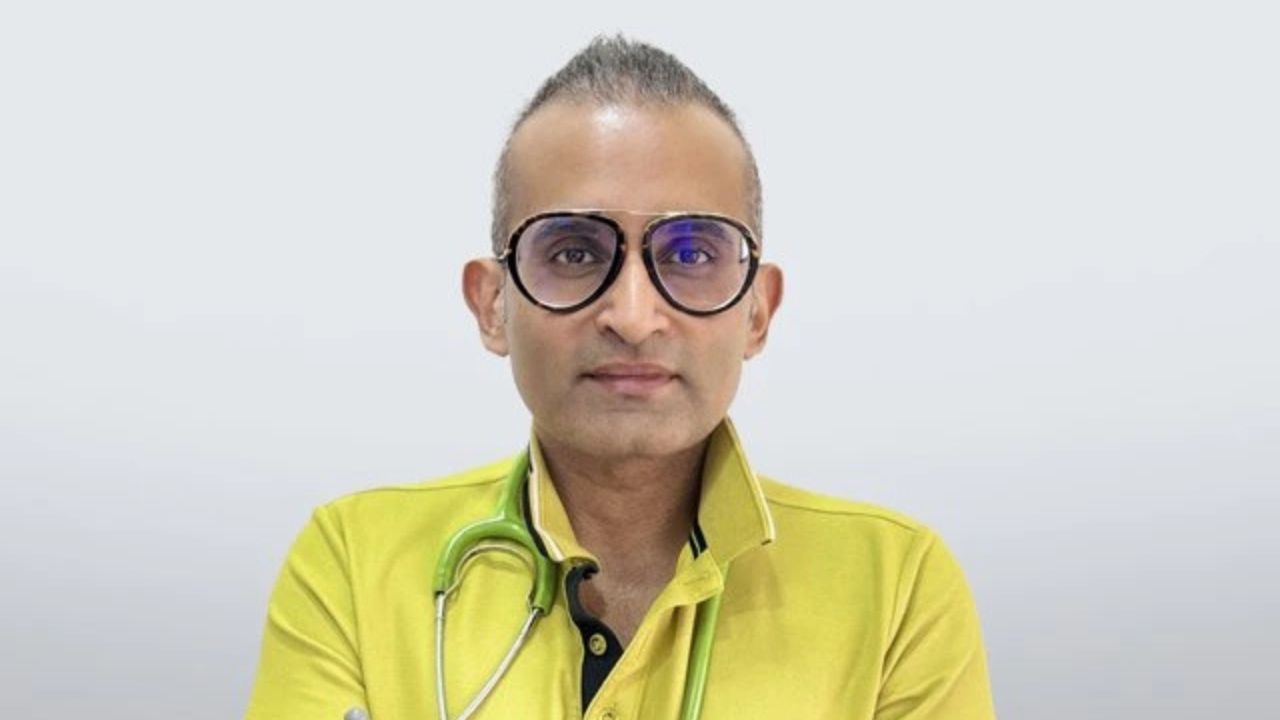
In Episode 10 of The Parent Lab, host Kriti Vij speaks with paediatrician Dr Chhaya Shah about common nutritional gaps in Indian toddler diets, the importance of balanced meals and practical ways parents can improve everyday food choices.
What Is a Balanced Diet for Toddlers?
A balanced diet for toddlers includes different food groups that provide carbohydrates, proteins, healthy fats, vitamins, minerals and fibre. Each of these nutrients supports important functions in the growing body. Carbohydrates provide energy for daily activities, while protein supports growth and tissue development. Healthy fats contribute energy and essential fatty acids. Micronutrients such as iron, zinc and calcium support blood health, immunity, bones and normal development. Traditional Indian foods such as dal, rice, roti, vegetables, curd, paneer, fruits and eggs can all contribute to a balanced toddler diet. The important consideration is how these foods are combined and how much variety a child receives across the day and week.
Why Can Toddlers Have Nutritional Deficiencies Despite Eating Three Meals a Day?
A toddler may eat breakfast, lunch and dinner regularly and still have nutritional deficiencies if the meals do not provide enough essential nutrients. Dr Chhaya Shah explains that foods such as rice with ghee, roti with ghee or large quantities of milk may make a child feel full. However, depending on the overall diet, these foods may not provide adequate iron, protein and other important micronutrients. Some common reasons why toddlers may miss essential nutrients include:
- Limited food variety: Eating the same few foods repeatedly may reduce the range of nutrients consumed.
- Insufficient protein-rich foods: Meals may contain too few pulses, beans, dairy products, eggs or other protein sources.
- Low iron intake: A diet lacking sufficient iron-rich foods may increase the risk of iron deficiency.
- Excessive milk consumption: Drinking too much cow's milk can reduce appetite for other foods and contribute to iron deficiency.
- Persistent picky eating: Refusing several food groups over time may limit nutrient intake.
- Underlying health concerns: Certain medical conditions may affect appetite, nutrient absorption or growth.
Parents should consider both the quantity and nutritional quality of the food their toddler consumes.
What Nutrients Does a Toddler Need for Healthy Growth?
Toddlers require macronutrients and micronutrients to support their growing bodies. Macronutrients are needed in larger quantities and include carbohydrates, proteins and fats. Micronutrients include vitamins and minerals, which are needed in smaller quantities but remain essential for health. Some important nutrients and their food sources include:
- Protein: Dal, rajma, chana, paneer, curd, soy, eggs, fish and meat help support growth and tissue development.
- Carbohydrates: Rice, roti, poha, idli, oats and millets provide energy.
- Healthy fats: Suitable oils, nuts, seeds and other fat-containing foods provide energy and essential fatty acids.
- Iron: Pulses, beans, iron-fortified foods and animal-source foods contribute iron needed for haemoglobin production and normal development.
- Zinc: Pulses, dairy products, eggs, meat and seeds provide zinc that supports growth and immune function.
- Calcium: Milk, curd, paneer and other calcium-rich foods support healthy bones and teeth.
- Vitamins and fibre: Fruits and vegetables provide vitamins, minerals and fibre that contribute to overall health.
Offering a variety of these foods throughout the week can help parents meet their toddler's nutritional needs.
How Can Parents Make Everyday Indian Toddler Meals More Nutritious?
Traditional Indian meals can provide a strong nutritional foundation when they are combined with other nutrient-rich foods. Dr Chhaya Shah explains that familiar meals such as dal-chawal, idli, thepla and upma can become more balanced with a few practical additions.
Dal-Chawal: Dal provides protein and some iron, while rice provides carbohydrates. Adding seasonal vegetables and a suitable source of fat can improve the meal's nutritional variety. Idli: Plain idli can be paired with vegetable-rich sambar and coconut chutney to include additional protein, fats and micronutrients.
Upma: Adding vegetables such as peas, carrots and beans, and pairing upma with curd or another protein source, can improve its nutritional balance.
Methi Thepla: Thepla prepared with methi can be served with curd and age-appropriate vegetables to provide additional protein and micronutrients.
Khichdi: Adding seasonal vegetables and an appropriate amount of ghee or oil can improve the variety of nutrients in a familiar khichdi preparation.
Oats With Milk and Banana: This meal provides carbohydrates, some protein and calcium. Parents should also include adequate iron-rich foods and other protein sources in the child's meals throughout the day.
These small changes can help improve dietary variety without requiring parents to prepare completely different meals for their toddlers.
What Are the Signs That Your Toddler May Have a Nutritional Deficiency?
Occasional changes in appetite are common during toddlerhood. However, certain symptoms may indicate that a child needs a nutritional assessment. Parents should watch for the following signs:
- Unexpected weight loss or poor weight gain over time.
- Slower-than-expected growth in height.
- Unusual tiredness, weakness or lethargy.
- Persistent poor appetite or highly restricted eating.
- Irritability accompanied by other concerning symptoms.
- Unusual paleness or fatigue, which may occur with anaemia.
- Repeated refusal of entire food groups alongside concerns about growth.
These signs do not confirm a nutritional deficiency on their own. A paediatrician can review the child's growth chart, dietary intake and symptoms to determine whether further evaluation is required.
Why Do Toddlers Become Picky Eaters?
Picky eating is a common developmental phase during toddlerhood. A child may enjoy a particular food one day and refuse the same food the next. Dr Chhaya Shah explains that growth generally slows after the first birthday compared with the rapid growth experienced during infancy. As growth becomes steadier, appetite may also fluctuate. Toddlers are also becoming more independent and curious about their surroundings. Some may hesitate to try unfamiliar foods or reject particular tastes and textures. Parents can manage picky eating by following simple practices:
- Offer a variety of foods repeatedly without forcing the child to eat.
- Serve smaller, manageable portions.
- Maintain regular meal and snack routines.
- Encourage children to explore different age-appropriate textures.
- Keep mealtimes calm and free from pressure.
- Eat together as a family and demonstrate varied food choices.
- Avoid permanently removing a food simply because the child refused it once.
If picky eating is accompanied by poor growth, significant weight loss or persistent feeding difficulties, parents should consult a paediatrician.
Does Pressure Cooking Reduce the Nutritional Value of Toddler Food?
Cooking methods can influence the nutritional content of food. Prolonged heating and discarding cooking water may reduce certain water-soluble vitamins and minerals. Dr Chhaya Shah explains that pressure cooking can be useful because it often reduces cooking time compared with prolonged boiling in an open vessel. Some practical ways to preserve nutrients during meal preparation include:
- Avoid unnecessarily long cooking times.
- Use appropriate amounts of water while cooking.
- Include suitable cooking liquids in dals and vegetable preparations.
- Avoid repeatedly reheating food when unnecessary.
- Use traditional methods such as soaking and fermentation where appropriate.
- Cook sprouted pulses thoroughly before serving them to young children.
Cooking also offers nutritional and food-safety benefits. The aim should be to use appropriate preparation methods while maintaining a varied diet.
Benefits of a Balanced Diet for Toddlers
A balanced and varied diet supports several aspects of a toddler's health and development.
- Supports physical growth: Adequate energy and protein help support normal growth and tissue development.
- Supports brain development: Nutrients such as iron and essential fatty acids play important roles in neurological development.
- Supports immune function: Vitamins and minerals, including zinc, contribute to normal immune function.
- Supports bone development: Calcium and vitamin D are important for healthy bones and teeth.
- Supports digestive health: Fibre-rich foods contribute to healthy bowel function.
- Helps prevent nutritional deficiencies: Including different food groups improves the likelihood of meeting essential nutrient requirements.
- Encourages varied eating habits: Repeated exposure to different foods can help children become familiar with a wider range of tastes and textures.
A toddler's nutritional requirements vary depending on age, growth, activity level and individual health needs.
Eating three meals a day is an important part of a toddler's routine, but parents should also consider the nutritional variety of those meals. Familiar Indian foods such as dal-chawal, idli, khichdi and upma can form part of a balanced diet when paired with suitable sources of protein, vegetables, fruits and healthy fats. Parents can begin by reviewing what their toddler eats across the week and identifying simple opportunities to include more nutrient-rich foods. Regular growth monitoring and timely medical advice are important when a child experiences persistent poor appetite, unexpected weight loss or concerns about nutritional deficiencies.
Expert Insight
According to paediatrician Dr Chhaya Shah, “Stomach fullness is not equivalent to nutrition.” She explains that a toddler may eat enough food to feel satisfied while still missing important nutrients needed for physical growth, brain development and immune function. Parents should therefore consider nutritional variety alongside the amount of food their child eats.











Premium Content

You are trying to access Premium Content. Gain full access with exciting plans!